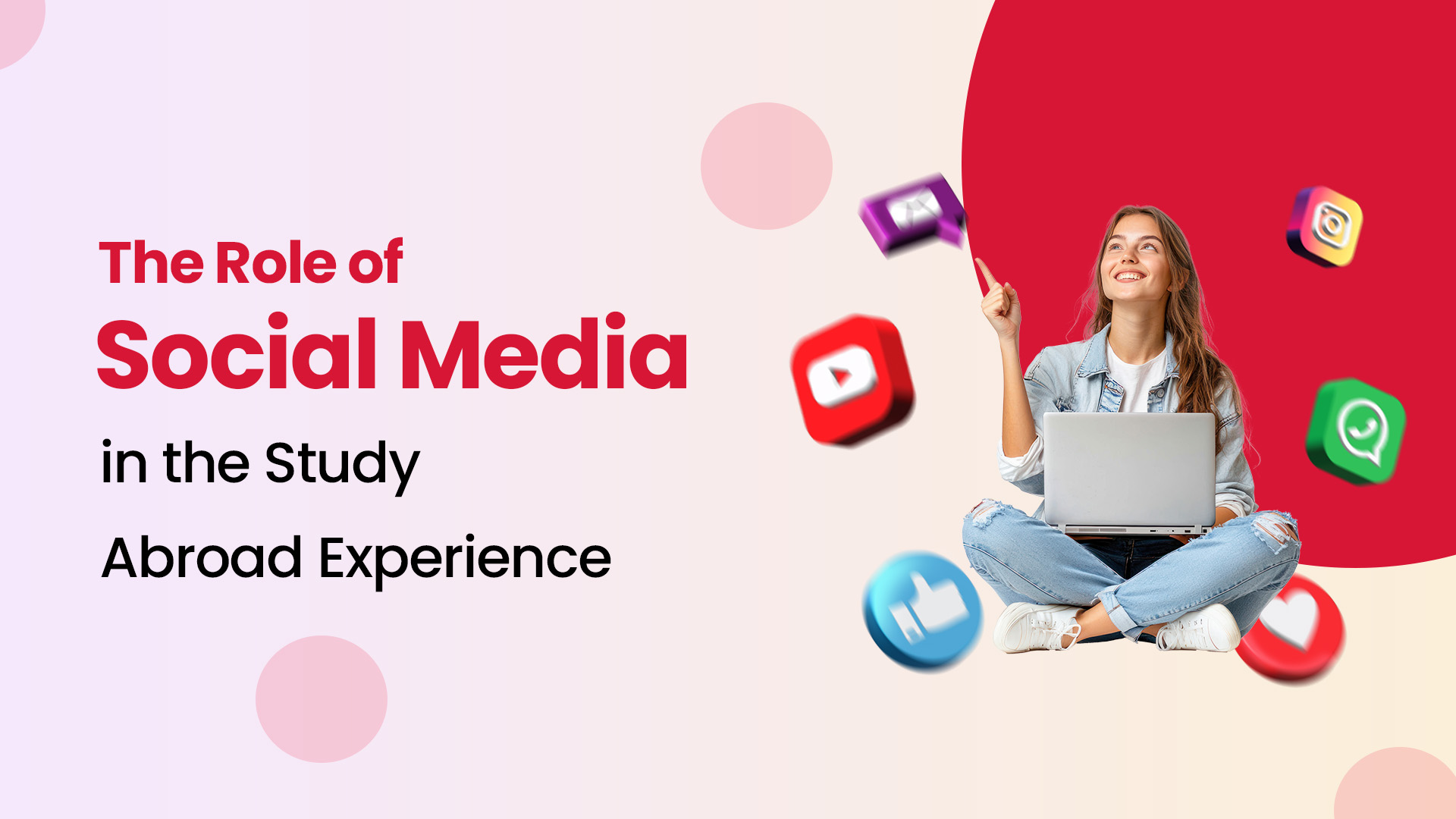
In the digital era, social media has become an integral part of daily life, influencing various aspects of education, communication, and travel. For students planning to study abroad, social media serves as a powerful tool that enhances their overall experience. From researching universities to staying connected with loved ones, social media platforms play a crucial role in shaping the study abroad journey. This article explores the impact of social media on students studying abroad and how they can leverage it effectively.
What is the role of social media in study abroad experiences?
Social media plays a significant role in enhancing and shaping study abroad experiences in various ways. Here are some key roles it plays:
Researching Universities and Destinations-
Social media provides valuable insights into potential study destinations and institutions. Platforms such as Facebook, LinkedIn, and YouTube offer firsthand experiences from current students, alums, and university representatives. Many universities maintain active social media accounts, sharing updates about academic programs, campus life, and student testimonials.
- Facebook Groups & Pages: Prospective students can join university groups to ask questions, connect with current students, and get information about courses, scholarships, and accommodations.
- YouTube & Instagram: Video content and reels showcasing campus life, student experiences, and city tours help students visualize their future study environment.
- LinkedIn: A professional network for connecting with alums and faculty to gain career insights and networking opportunities.
Staying Connected with Family and Friends-
Studying abroad often means living far from family and friends. Social media bridges this gap by providing instant communication and updates. Platforms like WhatsApp, Instagram, and Facebook Messenger enable real-time conversations, video calls, and sharing of daily experiences.
- Video Calls: Apps such as Zoom, Skype, and WhatsApp help maintain close contact with loved ones.
- Photo & Story Sharing: Instagram and Snapchat allow students to share moments of their study abroad journey, keeping family updated and engaged.
- Time Zone Management: Apps with scheduling features help in planning calls across different time zones.
Networking and Making New Friends-
Social media facilitates interactions with fellow international students, locals, and faculty, fostering friendships and collaborations.
- University Groups & Forums: Platforms like Reddit, Facebook, and Discord host discussion groups where students can meet peers before arriving on campus.
- Meetup Apps: Apps like Meetup and Eventbrite help students find local events, workshops, and social gatherings to integrate into the community.
- Professional Networking: LinkedIn and Twitter are useful for attending virtual career fairs, networking with professionals, and seeking internships.
Academic Support and Collaboration-
Social media is a hub for academic resources, discussions, and collaborative learning.
- Online Study Groups: Students create WhatsApp or Facebook groups for sharing study materials, discussing coursework, and seeking academic help.
- Educational YouTube Channels: Platforms like Khan Academy and Coursera provide additional learning resources.
- Live Q&A Sessions: Universities and professors often conduct live sessions on Instagram or Facebook to address student concerns and provide academic guidance.
Exploring Opportunities and Career Growth-
Students can leverage social media to explore job opportunities, internships, and scholarship programs.
- LinkedIn Jobs & Internships: Companies frequently post job openings for international students.
- Instagram & Twitter Updates: Many organizations announce opportunities via social media handles.
- Networking Events & Webinars: Students can attend virtual career fairs and professional development webinars through social platforms.
Cultural Integration and Travel-
Social media plays a key role in helping students adapt to new cultures and explore their host country.
- Travel Blogs & Vlogs: YouTube and travel influencers provide recommendations on places to visit, cultural etiquette, and budgeting tips.
- Local Event Pages: Facebook Events and Instagram pages promote cultural festivals, concerts, and social activities.
- Language Learning Communities: Apps like Duolingo, HelloTalk, and social media groups assist in language practice.
Managing Mental Health and Well-being-
Studying abroad can be overwhelming, and social media offers support networks to help students cope with challenges.
- Mental Health Awareness Pages: Instagram and Facebook pages share mental health tips, motivation, and self-care advice.
- Online Counseling Services: Universities often provide virtual counseling through social media or university portals.
- Support Groups: Students can join forums where they can discuss experiences, share concerns, and seek emotional support.
Potential Drawbacks and Responsible Use-
While social media has numerous benefits, it is essential to use it responsibly to avoid distractions and negative effects.
- Time Management: Excessive social media use can impact academic performance; students should set limits on screen time.
- Privacy Concerns: Personal information should be shared cautiously to prevent identity theft or cyber threats.
- Social Media Pressure: Avoid comparing experiences with others, as social media often portrays an idealized version of reality.
What are the challenges and risks of social media in the study abroad experience?
Social media has many advantages for students studying overseas, but there are drawbacks as well. These include concerns about digital distraction, mental health, and privacy.
- Privacy issues- When utilizing social media, privacy is a major worry, particularly when traveling to a nation with different data protection regulations than one's own. Students need to know their account's privacy settings and use caution while disclosing personal information online.
Sharing sensitive information that bad actors could use must be avoided. Students should also be aware of the digital impact they leave behind. Academic institutions and potential employers frequently examine social media profiles as part of their assessment procedures. It's crucial to keep up a professional web presence to prevent any unfavorable consequences.
- Consequences for mental health- Social- media can have detrimental effects on mental health even though it can lessen feelings of loneliness. Constantly comparing oneself to carefully chosen, romanticized depictions of other people's lives might cause anxiety and feelings of inadequacy. Often called "social media envy," this effect can be especially noticeable for students studying overseas, who may already be coping with the strain of acclimating to an unfamiliar setting.
To lessen these impacts, kids should utilize social media with awareness. This entails establishing limits on screen usage, selecting uplifting and encouraging information for their feeds, and taking part in offline activities that enhance well-being.
- Digital distraction: Another major issue is the possibility of digital distraction. Social networking can be a huge time waster, taking focus away from real-world events and academic obligations. To balance their online and offline lives, students need to learn efficient time management techniques.
Using digital tools that increase productivity is one strategy. Apps like Forest and Stay Focused can promote more concentrated study sessions and help reduce the amount of time spent on websites that are distracting. A healthy balance can also be maintained by establishing clear objectives for social media use, such as utilizing it mostly for learning or planned downtime.
What are the long-term effects of social media on professional and personal development when studying overseas?
Social media has an impact on study abroad experiences that go beyond the time spent abroad. It may have long-term consequences for a student's professional and personal development.
· Developing a professional brand: The networks and contacts made on social media during a study abroad program can be quite beneficial for future employment opportunities. Students can continue to stay in touch with lecturers, industry professionals, and colleagues they met overseas through LinkedIn in particular.
These relationships may eventually result in collaboration, mentoring, and employment opportunities. Additionally, the knowledge and experiences acquired while studying abroad that are recorded and disseminated on social media help to establish a professional identity. Employers appreciate the global perspective, cultural sensitivity, and flexibility that come with studying overseas. A student's employability can be greatly increased by emphasizing these experiences in a well-curated LinkedIn profile.
- Education for life and global citizenship- Social- media encourages the growth of a global perspective and lifelong learning. Long after their study abroad experience is over, students can continue to learn about various cultures and global concerns by maintaining relationships with peers and communities around the world. This continuous involvement fosters a feeling of global citizenship and a dedication to changing the world for the better.
Which are the essential tips for using social media to enhance your study abroad experience ?
Social media can be a powerful tool to enrich your study abroad journey if used wisely. Here are essential tips to make the most of it:
- Choose your followers carefully because not all social media posts are made equal. Verify that the accounts you are following are giving you insightful and useful information.
- Pay attention to your privacy settings. Make sure your privacy settings are set to let just your friends and family view any information you post about your study abroad experience on social media.
- Getting sucked into the social media whirlpool is easy. In order to concentrate on your schoolwork and personal experiences, be sure to take vacations from social media.
Conclusion-
Social media has transformed the study abroad experience by providing a platform for research, networking, academic support, and cultural integration. When used effectively, it enhances students’ educational journey, helping them stay connected, informed, and engaged in a new environment. By balancing its use responsibly, students can make the most of their international education experience and create lasting memories.
Social media is an important partner in an educational abroad journey, making it a more updated, linked, and enhancing experience in an increasingly interconnected world. As technology advances, social media's role in education and global mobility will surely expand, providing more possibilities for students to communicate, gain insight, and succeed in a world that is constantly evolving.
FAQs on The Role of Social Media in the Study Abroad Experience-
Q.1 How can social media help students choose the right university for studying abroad?
Ans- Social-media provides insights into universities through student reviews, virtual campus tours, and official university pages. Platforms like YouTube, Instagram, and LinkedIn offer firsthand experiences from current students and alumni.
Q.2 Which social media platforms are most useful for study abroad students?
Ans- Facebook (for university groups), LinkedIn (for networking and career opportunities), Instagram & YouTube (for campus life and cultural insights), WhatsApp & Telegram (for student communication), and Twitter (for updates on scholarships and programs) are highly beneficial.
Q.3 Can social media help students connect with other international students?
Ans- Yes, students can join Facebook groups, Reddit forums, and Discord channels dedicated to international students, where they can interact with peers, seek advice, and build friendships before arriving on campus.
Q.4 How does social media help students stay connected with family and friends?
Ans- Apps like WhatsApp, Messenger, and Zoom allow real-time communication via calls, video chats, and instant messaging, helping students maintain close relationships with family despite time zone differences.
Q.5 Is social media useful for academic purposes while studying abroad?
Ans- Absolutely. Many students form online study groups on WhatsApp or Facebook, follow educational YouTube channels, and use platforms like LinkedIn Learning and Coursera for additional coursework and skill-building.
Q.6 How can social media support job and internship searches abroad?
Ans- LinkedIn is an essential tool for job searching, networking with professionals, and discovering internship opportunities. Additionally, many companies post job openings on Twitter and Instagram.
Q.7 Can social media help students adapt to a new culture?
Ans- Yes, following local influencers, travel bloggers, and community pages on Instagram and Facebook can help students understand cultural norms, explore places to visit, and find events to attend in their new country.
Q.8 How can students use social media for mental health support while studying abroad?
Ans- Many universities provide virtual counseling through social media, and students can join online support groups or follow mental health pages that offer tips and motivation to manage stress and homesickness.
Q.9 Are there any risks of using social media while studying abroad?
Ans- Students should manage their screen time, verify information sources, and be cautious when sharing personal details.
Q.10 What are some best practices for using social media effectively during a study abroad program?
Ans- Students should use social media purposefully—joining relevant groups, networking professionally, staying informed about events, maintaining privacy settings, and balancing online interactions with real-world experiences.
Leave a Reply
Your email address will not be published.
Search
Similar Blogs

Preparing for TOEFL Speaking Scoring section: Key Skills and Practice Techniques
11/3/2025
Educational loan for study abroad: Everyone Should Know in 2026
11/3/2025
Form I-20 Explained: Start Your U.S. Study Journey with Confidence
10/27/2025
How to Apply for a Master's Degree Abroad: Complete Application Checklist
10/13/2025
What is the difference between percentage and percentile
9/30/2025
Have a question about GMAT?
Want some help figuring out what kind of prep service is right for you?
Help and Support