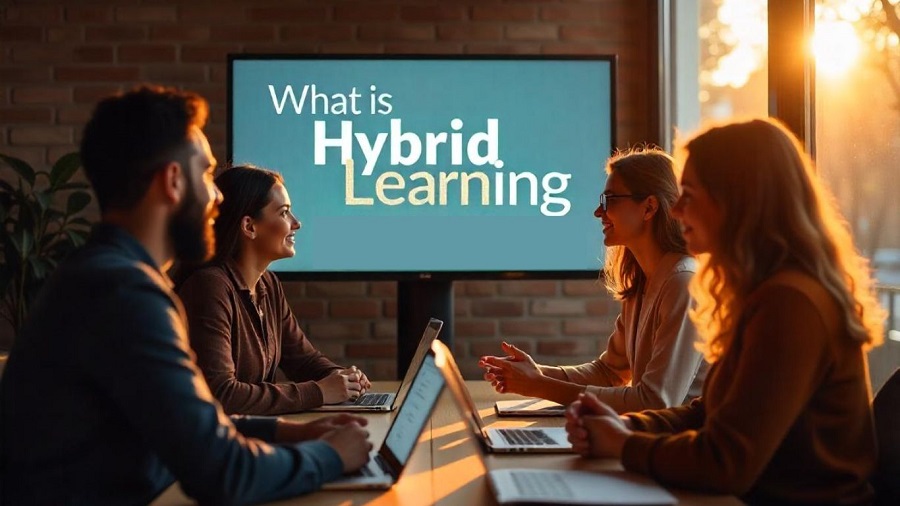
In the ever-evolving educational landscape, hybrid learning has emerged as a transformative approach. It blends traditional face-to-face instruction with online learning. This comprehensive guide explores the concept of hybrid learning, its benefits, challenges, and best practices for implementation.
What is hybrid learning?
Hybrid learning is also known as blended learning. It is an educational approach that combines traditional in-person classroom instruction with online learning activities. It leverages technology to provide flexible, engaging, and personalized learning experiences while maintaining the benefits of face-to-face interaction.
Key components of hybrid learning-
Hybrid learning integrates traditional classroom instruction and online learning experiences to create a flexible and effective educational model. The key components include:
- In-Person Instruction: Physical classroom sessions where students and teachers engage in face-to-face interactions, discussions, and collaborative activities.
- Online Learning Modules: Digital platforms and resources, such as video lectures, quizzes, and discussion forums, allow students to access learning materials anytime and anywhere.
- Technology Integration: Using Learning Management Systems (LMS), video conferencing tools, and collaborative platforms enhances learning and facilitates communication between students and instructors.
- Assessment and Feedback: Continuous evaluation through online quizzes, assignments, and peer reviews, along with timely feedback from instructors, helps track student progress and improve learning outcomes.
- Personalized Learning Paths: Hybrid learning allows customized learning experiences, catering to individual learning styles and paces.
Why hybrid learning?
The usefulness of hybrid learning has been studied, and most of them have shown how beneficial it is for students, teachers, and universities. The following are some benefits of hybrid learning:
- Course design for flexibility—Hybrid learning provides the best of both worlds by utilizing the distinct benefits of both in-person and online training. It allows for flexible learning schedules, instructional strategies, student-teacher interactions, and peer and instructor contact.
- Boost student retention, happiness, and participation—Students favour hybrid learning over online and in-person training. Students in hybrid classes have access to more materials and teaching methodologies and more chances to have meaningful conversations. This significantly raises students' level of involvement and happiness throughout the course, which results in better performance on the final exam.
- Hybrid learning can increase students' motivation and involvement by enabling them to learn at their own pace, anywhere and anytime. Additionally, pedagogical technology allows the development of highly interactive, captivating course materials and activities, encouraging students to study and participate actively.
- Foster career-ready skills- More colleges are shifting from strict, exam-focused curricula to pedagogical strategies emphasizing lifetime learning and professional preparedness. Although they are not necessarily directly related to the primary curriculum, lifelong skills like interpersonal relationships, collaboration, and critical thinking significantly influence students' achievement and are crucial for future career success. Exposure to eLearning resources and learning exercises enhances research skills, self-direction, decision-making, and digital literacy.
What is the advantage of hybrid learning?
Hybrid learning offers numerous benefits that enhance the educational experience for both students and educators.
- Flexibility and Convenience: Students can access learning materials and participate in online activities at their own pace, allowing for better time management and a personalized learning experience.
- Enhanced Engagement: Integrating multimedia content, interactive tools, and virtual discussions boosts student interest and active participation.
- Improved Learning Outcomes: By combining traditional face-to-face instruction with digital resources, students can reinforce their understanding and retain information more effectively.
- Cost-Effective: Hybrid learning reduces the need for physical infrastructure and travel expenses, making education more affordable and accessible.
- Global Accessibility: Students can connect with instructors and peers worldwide, promoting cultural exchange and diverse perspectives.
- Continuous Assessment and Feedback: Online tools allow regular quizzes, assignments, and feedback, helping students track their progress and improve their performance.
What are the challenges of hybrid learning?
While hybrid learning offers numerous benefits, it also presents several challenges that educators and students must navigate:
- Technological Barriers: Access to reliable internet connectivity and appropriate digital devices can be a significant hurdle, especially for students in remote or underprivileged areas. Additionally, technical glitches and software issues can disrupt the learning process.
- Instructor Training: Educators must be well-versed in using digital tools and managing virtual classrooms. Many teachers may lack the skills or confidence to effectively deliver online content and engage students in a virtual setting.
- Student Motivation and Engagement: Self-paced online learning requires discipline and time management. Some students may struggle to stay focused and complete assignments without the structure of a traditional classroom environment.
- Assessment and Monitoring: Evaluating student performance and providing feedback in a hybrid learning environment can be challenging. Instructors need to develop innovative assessment methods to ensure fairness and accuracy.
- Data Security and Privacy: Protecting student information and ensuring compliance with data protection regulations is crucial. Online platforms must implement robust security measures to prevent data breaches and maintain confidentiality.
- Balancing Online and Offline Activities: Striking the right balance between in-person and digital instruction is essential to avoid cognitive overload and ensure effective learning outcomes.
How do we overcome the challenges of hybrid learning?
While hybrid learning offers numerous benefits, it also presents several challenges that educators and students must navigate:
- Technological Barriers: Access to reliable internet connectivity and appropriate digital devices can be a significant hurdle, especially for students in remote or underprivileged areas. Additionally, technical glitches and software issues can disrupt the learning process.
- Instructor Training: Educators must be well-versed in using digital tools and managing virtual classrooms. Many teachers may lack the skills or confidence to effectively deliver online content and engage students in a virtual setting.
- Student Motivation and Engagement: Self-paced online learning requires discipline and time management. Some students may struggle to stay focused and complete assignments without the structure of a traditional classroom environment.
- Assessment and Monitoring: Evaluating student performance and providing feedback in a hybrid learning environment can be challenging. Instructors need to develop innovative assessment methods to ensure fairness and accuracy.
- Data Security and Privacy: Protecting student information and ensuring compliance with data protection regulations is crucial. Online platforms must implement robust security measures to prevent data breaches and maintain confidentiality.
- Balancing Online and Offline Activities: Striking the right balance between in-person and digital instruction is essential to avoid cognitive overload and ensure effective learning outcomes.
What are the best practices for implementing hybrid learning?
To ensure the successful implementation of hybrid learning, educators and institutions should follow these best practices:
- Design a Well-Structured Curriculum: Develop a balanced curriculum that integrates online and in-person learning. Clearly define learning objectives and outcomes to help students stay on track.
- Leverage Technology Effectively: Utilize Learning Management Systems (LMS), video conferencing tools, and interactive platforms to enhance the learning experience. Incorporate multimedia content, virtual labs, and collaborative forums to keep students engaged.
- Provide Instructor Training and Support: Train educators on digital tools and virtual teaching techniques. Regular workshops and support systems can help teachers adapt to the hybrid learning environment.
- Maintain Clear Communication: Establish clear guidelines and expectations for students regarding assignments, deadlines, and participation. Regularly update students through announcements and feedback sessions.
- Personalized Learning Paths: Offer flexible learning options that cater to different learning styles and paces.
- Monitor Student Progress: Assess student learning using online quizzes, assignments, and performance-tracking tools. Give kids immediate suggestions so they can get better.
- Ensure Data Security and Privacy: Implement secure platforms and encryption methods to protect student information and maintain compliance with data protection regulations.
What about hybrid learning models?
Hybrid learning offers various models that cater to different learning needs and environments. Each model allows for flexibility and personalization, helping educators meet the diverse needs of students while leveraging the benefits of both digital and traditional learning environments. The most common models include:
- The Flipped Classroom Model: In this approach, students review learning materials, such as video lectures and readings, online before attending in-person classes. The classroom time is then used for discussions, group activities, and hands-on projects.
- The Rotation Model: Students alternate between in-person instruction and online learning stations based on a fixed schedule. This model allows for personalized learning experiences while maintaining regular teacher interaction.
- The Flex Model: Primarily driven by online learning, students access digital content at their own pace while receiving occasional in-person support from instructors when needed.
- The Enriched Virtual Model: Students complete most coursework online but attend periodic face-to-face sessions for discussions, assessments, or lab work.
What is the future of hybrid learning?
The future of hybrid learning is promising and continues to evolve with technological advancements and changing educational needs.
- Integration of Advanced Technology: Artificial Intelligence (AI), Virtual Reality (VR), and Augmented Reality (AR) will enhance learning experiences by creating immersive and interactive environments. These technologies allow students to use virtual labs, simulations, and real-time collaborations from anywhere.
- Personalized Learning Paths: Hybrid learning platforms will use data analytics and machine learning algorithms to analyze student performance and provide customized learning experiences tailored to individual strengths and weaknesses.
- Global Accessibility: Hybrid learning will break geographical barriers, allowing students to access quality education from renowned institutions worldwide. This will create more opportunities for cross-cultural collaboration and knowledge sharing.
- Enhanced Collaboration and Communication Tools: Advanced collaboration platforms will allow seamless interaction between students and teachers, promoting teamwork and engagement in both online and offline settings.
- Focus on Skill-Based Learning: Through project-based learning and real-world applications, hybrid learning prioritizes practical skills, critical thinking, and problem-solving abilities.
Conclusion-
Hybrid learning has emerged as a powerful and flexible educational model. It combines the best aspects of traditional classroom teaching with the convenience of online learning. By integrating technology with face-to-face instruction, hybrid learning enhances student engagement. In addition, it promotes personalized learning and allows for a more effective and inclusive educational experience.
However, successful implementation requires addressing challenges like technological barriers, instructor training, and data security. Institutions can create a seamless hybrid learning environment with the right strategies, such as effective curriculum design, clear communication, and continuous assessment.
FAQs on hybrid learning-
Q.1 What is hybrid learning?
Ans- Hybrid learning is an educational approach that combines in-person classroom experiences with online learning activities.
Q.2 How does hybrid learning benefit students?
Ans- It offers flexibility, enhanced engagement, cost-effectiveness, and improved learning outcomes.
Q. 3 What are the key components of hybrid learning?
Ans- In-person instruction, online modules, technology integration, and continuous assessment.
Q.4 What are some standard hybrid learning models?
Ans- Flipped Classroom, Flex Model, Rotation Model, and Enriched Virtual Model.
Q.5 What challenges do educators face in hybrid learning?
Ans- Technological barriers, instructor training, student motivation, and data security issues.
Q. 6 How can educators implement hybrid learning effectively?
Ans- Designing a balanced curriculum, ensuring effective communication, offering technology support, and using diverse assessment strategies.
Q.7 Is hybrid learning suitable for all subjects?
Ans- Yes, with proper adaptation, it can be applied to various subjects and educational levels.
Q.8 What technology is essential for hybrid learning?
Ans- Learning Management Systems, video conferencing tools, and collaborative platforms.
Q.9 How can students maintain their motivation in a hybrid classroom setting?
Ans- Setting goals, managing time effectively, and engaging actively in online and offline activities.
Q.10 What is the future of hybrid learning?
Ans- The future involves advanced technologies like AI, virtual reality, and adaptive learning to enhance the hybrid learning experience.





Leave a Comment
Your email address will not be published.