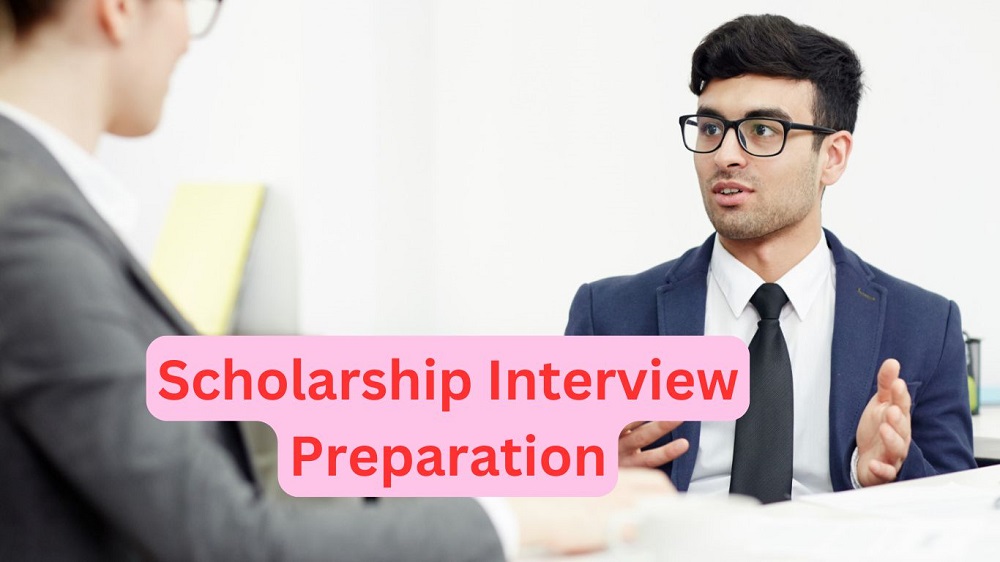
Getting a scholarship can change your life, but you might have to go through a scholarship interview before you can get financial aid. The scholarship committee can evaluate your credentials, character, and future contributions at this important step. Your chances of success might be considerably raised by being well-prepared and knowing what to anticipate.
This thorough guide will assist you in comprehending the scholarship interview procedure, typical inquiries, effective study techniques, and crucial advice to make a good impression.
A description of the interview process for scholarships
Understanding the format and goal of a scholarship interview is crucial before beginning any preparation techniques. Although the formats used by various organizations may differ, most scholarship interviews adhere to a common formula.
1. Various scholarship interview types
There are several ways to conduct a scholarship interview-
- In-person interviews: These are done in person at a predetermined place. These let interviewers gauge your self-assurance, ability to communicate, and physical expressions.
- Virtual interviews: Held via video conferencing services such as Skype or Zoom. Advances in technology and remote accessibility have led to an increase in these.
- Panel interviews: These entail several scholarship board panelists addressing topics. Although they can be frightening, these offer a chance to win over several decision-makers.
- One-on-one interviews: These are highly individualized, with just one interviewer reviewing your application.
- Group interviews: To evaluate applicants' management and collaboration abilities, some scholarship programs put them through group talks or cooperative exercises.
2. The goal of the scholarship interview
Scholarship interviews are used for a variety of reasons, such as evaluating your extracurricular and academic accomplishments.
- Assessing your capacity for solving issues, interacting with others, and administration.
- Being aware of how the scholarship fits into your professional objectives.
- Assessing your financial situation in order to qualify for merit-based scholarships.
- Assessing your capacity to make a constructive contribution to the scholarship scheme.
How to prepare for a scholarship interview?
You can perform better in your interview and increase your confidence by being well-prepared. Here is a detailed guide-
- Do some research on the scholarship sponsor- Knowing their goals and principles will help you customize your answers. Examine the history and website of the organization. Find out more about the profiles and accomplishments of past scholarship recipients. To understand the scholarship's goal and do a study on current affairs or organization-related projects.
- Go over your application materials-You should anticipate enquiries regarding your scholarship application from the interviewers. Go over your writings and personal statement again your extracurricular and academic accomplishments. You specified any leadership positions, community service, or initiatives. To make sure you are able to share all of the information you included in your application with confidence.
- Prepare for your achievements- List your accomplishments, leadership positions, and times you overcame obstacles, among other things. It's simpler to respond to inquiries about your background and abilities if you have concrete examples ready. Don't forget to consider how these accomplishments align with the requirements of the scholarship provider.
Practice frequently asked questions.
- The interviewers will undoubtedly ask you issues throughout the interview to determine what distinguishes you unique among the other applicants. During scholarship interviews, the following queries are frequently asked-
- Tell us about yourself.
- Why do you deserve this scholarship?
- What are your strengths and weaknesses?
- Describe a challenge you have faced and how you overcame it.
- What are your career goals, and how will this scholarship help you achieve them?
Academic & extracurricular questions-
- What is your proudest academic achievement?
- Which extracurricular activity has been most meaningful to you?
- How do you balance academics, extracurriculars, and personal life?
- Who is your role model, and why?
Behavioral & Situational Questions
- Describe a time you demonstrated leadership.
- Tell us about a mistake you made and what you learned from it.
- How do you handle failure or criticism?
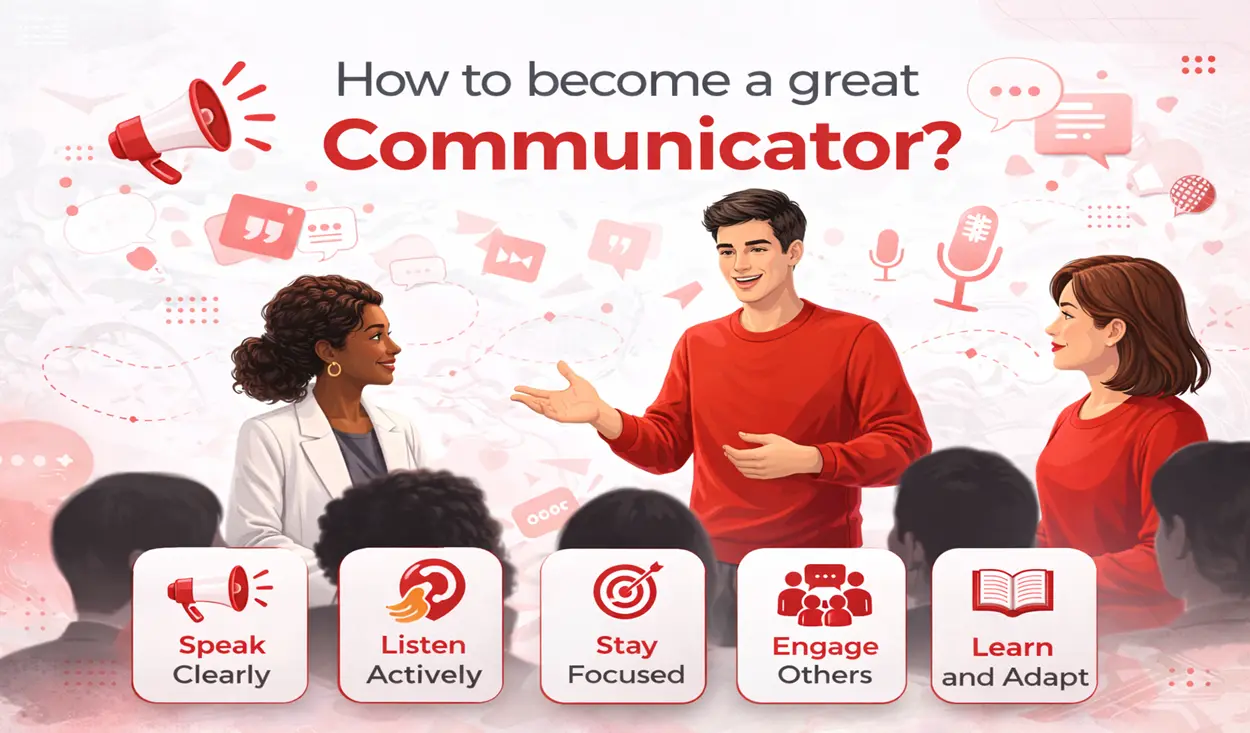
Develop your capabilities in communication
· Your capacity for straightforward communication can leave a lasting impact.
1. Practice speaking steadily and with confidence.
2. Establishing eye contact or focusing on the camera during online interviews.
3. Steer clear of filler words like "like" and "um."
4. Exhibiting energetic and upbeat body language.
5. You can practice in front of a mirror, with a friend, or with a tutor.
Wear professional attire
- Dress correctly for the interview because first impressions count. Select either a business casual or formal ensemble.
1. A tidy hairstyle and few accessories;
2. Clean, wrinkle-free apparel.
3. Dressing properly helps set the correct tone, even for virtual interviews.
Prepare thoughtful questions for the interviewer
- You might be asked if you have any questions at the end of the interview, so prepare some intelligent ones. This will demonstrate your enthusiasm and interest. Some examples of good questions to ask are-
1. What characteristics would you look for in a scholarship recipient?
2. What advantages does this scholarship offer outside of financial aid?
3. In what ways can people contribute to the scholarship belonging?
How can you answer typical scholarship questions?
Without any prior planning or expectations, certain questions can frequently take applicants by surprise. For this reason, you ought to become acquainted with typical scholarship interview questions.
Could you briefly introduce yourself?
- Do you know what an elevator pitch is? It's a brief introduction of yourself, delivered clearly and powerfully. Provide your name, major, present level of education, and a succinct phrase that highlights your area of interest.
Study schedule and reasons-
What makes this course of study appropriate for you and this university, in your opinion? There are several approaches to address this by bringing up.
- Describe the factors that led you to select your particular course of study.
- Talk about how your program fits in with your long-term professional objectives.
- Talk about any pertinent volunteer or employment experiences, as well as any personal tales that shaped your choice to enroll in this program.
- Draw attention to any particular curriculum modules or subject areas that pique your interest. How do issues or concerns in the actual world get addressed in your program?
Life experiences-
You will probably be questioned about the following types of life experiences-
- Failures: Could you describe a failure or setback?
- Accomplishments: Could you describe a noteworthy accomplishment?
- Ongoing objectives: What objectives do you have?
Situational or simulation questions-
- This provides interviewers insight into your ability to persevere and adjust to changing circumstances.
- Talk about difficult life circumstances, such as emotional difficulties.
- Talk about obstacles faced and achievements made.
Cultural acuity-
This question assesses the applicant's capacity to adjust to a foreign culture if the scholarship is for study abroad.
- Share any experiences that show your flexibility, language proficiency, or cultural awareness.
- If this is your first time traveling overseas, emphasize the efforts you have taken to learn about the local way of life, establish connections with organizations or groups, and make use of networking opportunities.
Plans and career goals-
It is usually beneficial to restate your career goals in detail, even if you have already mentioned them. Frequently asked questions include-
- What are your professional objectives?
- How will your course of study advance your professional objectives?
- Do you intend to help your community in any way?
- How would you return the favor?
- Are there any possibilities for volunteering soon?
Accountability and/or financial challenges-
Your admission rate is unaffected, but scholarship organizations enquire about how much money you have and any obligations you may have to loved ones. Frequently asked questions include-
- Do you owe any family members money?
- If you are accepted and go, how will you handle their money?
- How are you going to handle any extra personal costs?
What to anticipate and how to succeed on the day of the interview?
1. Being on time is very important; make plans to
- For in-person interviews, arrive at least fifteen minutes early.
- To verify your internet setup and connection, log in ten minutes before a virtual interview.
2. Creating a powerful initial impact-
- If you are meeting the interviewers in person, shake hands firmly.
- Make eye contact and smile.
- Present yourself with assurance.
3. Dealing with tough questions-
When faced with a difficult question, maintain your composure and pause to reflect.
- If necessary, seek clarification.
- In your reply, be truthful and use rational argumentation.
4. Expressing gratitude and excitement-
- Show your enthusiasm for your courses of study and professional aspirations.
- In closing, I express gratitude to the interviewers for their time.
5. Checking in following the interview-
Within a day, send a thank-you email. In your email, you should-
- Thank them for the chance.
- Reiterate how excited you are about the scholarship.
- Describe a particular standout moment from the interview.
How do you get over your anxiety before a scholarship interview?
You should not be alarmed because the interview is being conducted by people going about their daily business, not aliens. It is simpler to be your best self when you are at ease. Here are some pointers from my own experience with scholarship interviews-
- Interview with yourself- Practice speaking in front of the mirror, move around the room, and address a hypothetical audience. Continue until it comes naturally to you.
- Ask your friend for assistance: Locate a friend and allow them to interview you using the questions from earlier.
- Positive visualization- Using positive visualization, picture yourself using the interview. Imagine yourself making a good impression and responding to inquiries with assurance. A good outlook can be developed through visualization.
- Gather your ideas- Before answering a question, pause to gather your thoughts. Additionally, ask your interviewees if you need a moment to ponder and relax during the interview. Remind yourself that they are just people going about their duties; thus, there is nothing to fear.
Conclusion
One of the most important steps in obtaining financial support for a college education is a scholarship interview. You can improve your chances of success by learning about the company, preparing standard questions, appearing formally, and projecting enthusiasm. Moreover, succeeding in the scholarship interview is not just about displaying your achievements but also about exhibiting a true love for your course of study and a drive to have a good effect. Compose your best achievements and qualities, and remember, it is not only about what you say but how you say it. You may create a great impression and go closer to attaining your academic goals if you are prepared and have the correct attitude.
FAQs on preparing for scholarship interviews
Q.1. What types of questions are asked in a scholarship interview?
Ans- Expect questions about your background, achievements, goals, leadership experiences, challenges you’ve overcome, and why you deserve the scholarship.
Q.2. How should I introduce myself in a scholarship interview?
Ans- Keep it brief and impactful—mention your name, academic background, key achievements, and career aspirations in a confident and structured manner.
Q.3. How can I prepare for unexpected questions?
Ans- Practice answering a variety of questions, use the STAR method for structured responses, and stay calm and adaptable if a question surprises you.
Q.4. What should I wear for a scholarship interview?
Ans- Dress professionally—formal or business casual attire, depending on the setting, to make a strong first impression.
Q.5. How can I demonstrate confidence in my interview?
Ans- Maintain good posture, make eye contact, speak clearly, and avoid filler words like “um” or “uh.” Practice beforehand to reduce nervousness.
Q.6. Should I memorize my answers?
Ans- No. Instead of memorizing, focus on key points and practice delivering them naturally to avoid sounding robotic.
Q.7. What are common mistakes to avoid in a scholarship interview?
Ans- Avoid being unprepared, giving vague answers, speaking negatively about others, lacking enthusiasm, and failing to ask thoughtful questions.
Q.8. How can I make my answers stand out?
Ans- Use specific examples, personal stories, and measurable achievements to make your responses more compelling and memorable.
Q.9. Is it okay to ask questions at the end of the interview?
Ans- Yes, asking insightful questions about the scholarship program or organization shows your interest and engagement.
Q.10. What should I do after the interview?
Ans- Send a thank-you email expressing gratitude, reaffirming your interest, and highlighting what you learned from the interview.




Leave a Comment
Your email address will not be published.