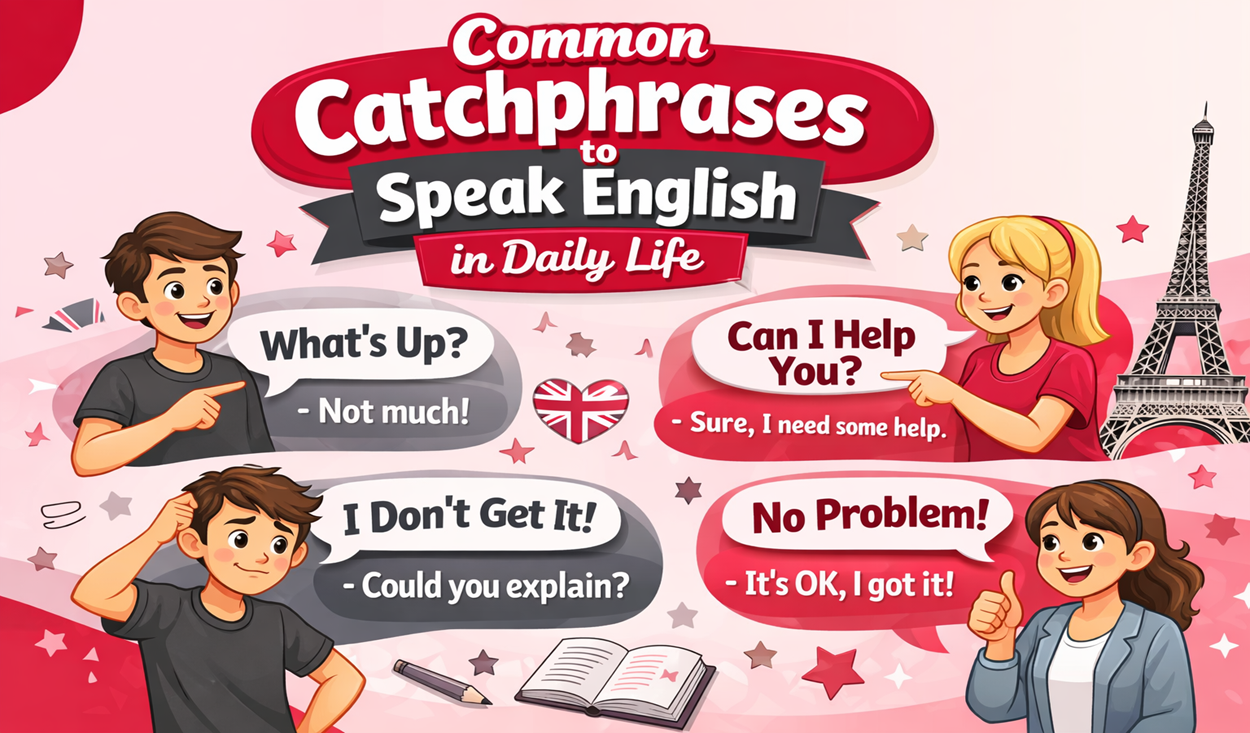
Speaking English fluently in everyday situations frequently involves knowing the appropriate phrases. Gaining proficiency in common English catchphrases can improve your trust as well as proficiency when interacting with others, asking for assistance, or expressing thanks. Here’s a thorough introduction to some of the most widely used phrases in regular talks, along with examples to help you use them effortlessly.
1. Greetings and Introductions
These phrases are essential for starting conversations. A simple and friendly greeting can set a positive tone.
Common Phrases:
- Example: "Hi! How are you? I haven’t seen you in a while!"
- Good morning/afternoon/evening!
- Example: "Good morning! Did you sleep well?"
- What’s up? / How’s it going?
- Example: "Hey, what’s up? You look busy today."
- Example: "Hi, I’m Emma. Nice to meet you!"
- Example: "Wow, long time no see! How have you been?"
2. Small Talk
Small talk helps to break the ice and keep the conversation light and enjoyable.
Common Phrases:
- Lovely weather today, isn’t it?
- Example: "Lovely weather today, isn’t it? Perfect for a walk."
- Did you catch the news this morning?
- Example: "Did you catch the news this morning? That story about the new park was interesting."
- What have you been up to?
- Example: "What have you been up to? Still working at the same place?"
- Example: "Thanks for your help. Have a nice day!"
3. Asking for Help or Information
You’ll often need phrases to request assistance or clarify something.
Common Phrases:
- Example: "Can you help me, please? I can’t find my keys."
- Do you know where the nearest pharmacy is?
- Example: "Excuse me, do you know where the nearest pharmacy is?"
- Could you repeat that, please?
- Example: "I didn’t catch that. Could you repeat that, please?"
- Example: "Excuse me, how much does this cost?"
- Example: "I’m looking for a good Italian restaurant. Any recommendations?"
4. Expressing Gratitude
Gratitude is important in any language. Use these phrases to show appreciation.
Common Phrases:
- Example: "Thank you so much for your help!"
- Example: "I really appreciate you taking the time to explain this."
- Example: " I really thanks a lot you to picking me up."
- Example: "You’re a lifesaver for lending me your notes."
- Example: "Many thanks for your support."
5. Apologizing
Mistakes happen, and knowing how to apologise is crucial.
Common Phrases:
- Example: "I’m sorry for being late."
- Example: "My apologies, I didn’t mean to interrupt."
- Example: "I didn’t mean to upset you. I’m truly sorry."
- Example: "Excuse me, could you move your bag?"
- Example: "Pardon me, I didn’t hear what you said."
6. Making Requests
Polite requests are essential for effective communication.
Common Phrases:
- Example: "Could you please pass me the salt?"
- Example: "Would you mind opening the window?"
- Example: "Can I have a glass of water, please?"
- Example: "Do you mind if I use your phone?"
- Example: "I’d like to book a table for two."
7. Agreeing and Disagreeing
Expressing your opinion clearly is an important skill.
Common Phrases:
- Example: "I agree with your point about teamwork."
- Example: "Absolutely! That’s the best idea."
- Example: "I’m not sure about that plan. It might not work."
- Example: "I disagree. I think we should try a different approach."
- Example: "That makes sense. Let’s give it a shot."
8. Expressing Opinions
Sharing opinions is common in discussions and conversations.
Common Phrases:
- Example: "In my opinion, this is the best solution."
- Example: "I think that the movie was fantastic."
- Example: "It seems to me that you’re making great progress."
- Example: "I believe honesty is the best policy."
- Example: "As far as I know, the meeting starts at 3 PM."
9. Expressing Emotions
These phrases help you convey how you feel.
Common Phrases:
- Example: "I’m so happy to see you again!"
- Example: "I’m excited about the trip next week."
- Example: "I feel tired after such a long day."
- Example: "Wow, that’s amazing news!"
- Example: "I’m worried about the presentation tomorrow."
10. Ending Conversations
Polite phrases to wrap up a conversation gracefully.
Common Phrases:
- It was nice talking to you.
- Example: "It was nice talking to you. Let’s catch up again soon!"
- Example: "Take care! Have a great evening."
- Example: "See you later! Don’t forget our lunch tomorrow."
- Example: "Goodbye! Have a safe journey home."
- Example: "Let’s stay in touch. I’ll call you next week."
11. Daily Activities
These phrases help you talk about everyday routines and tasks.
Common Phrases:
- Example: "What’s for dinner tonight? I’m starving!"
- Example: "Let’s go shopping this weekend. I need a new jacket."
- Example: "Time to wake up! We have a busy day ahead."
- Example: "Don’t forget to lock the door before you leave."
- Example: "I’m heading out to the grocery store. Need anything?"
12. Expressing Uncertainty
Sometimes, you need to express doubt or lack of knowledge.
Common Phrases:
- Example: "I’m not sure where I put my wallet."
- Example: "Let me think about it and get back to you."
- Example: "I have no idea how to fix this."
- Example: "It depends on the weather. If it rains, we’ll stay home."
- I’ll check and let you know.
- Example: "I’ll check and let you know if I’m free tomorrow."
Conclusion
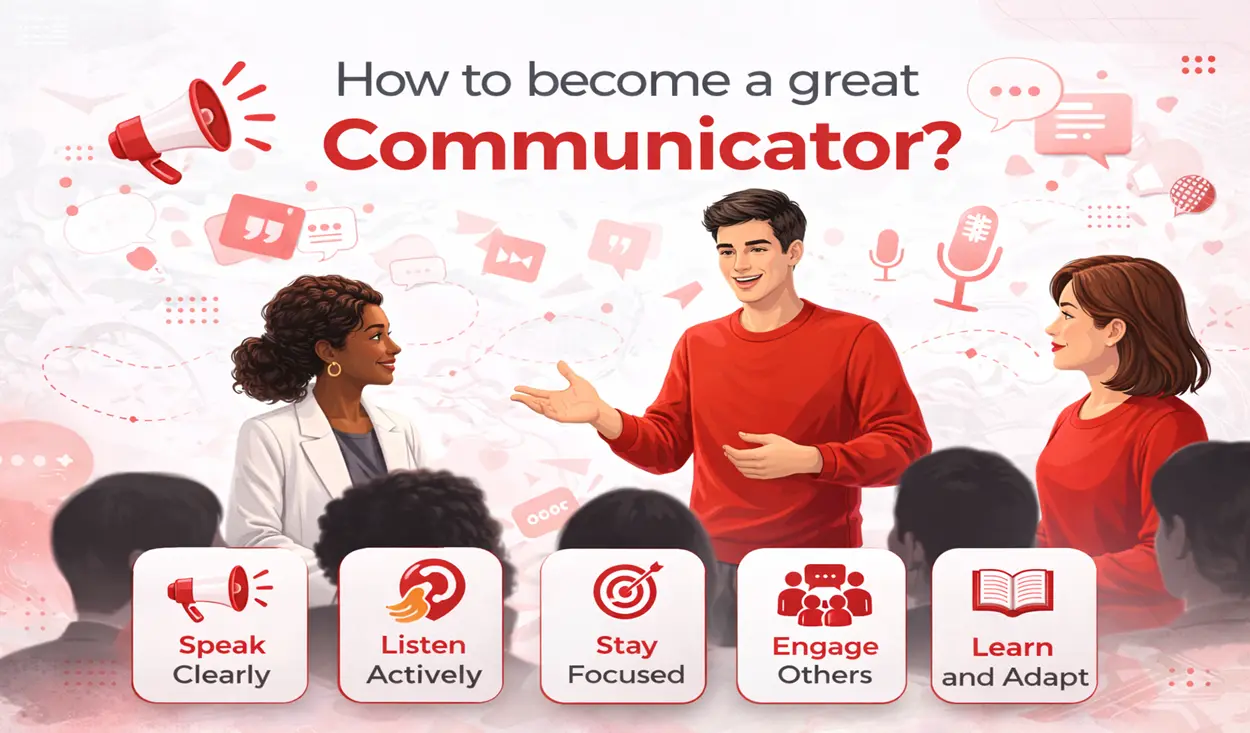
Mastering these common English catchphrases will make your daily conversations smoother and more enjoyable. Practice them regularly to build your confidence and fluency. Remember, the key to speaking English effectively is to use these phrases naturally and adapt them to the context of your conversations. So, go ahead and start practising today.



Leave a Comment
Your email address will not be published.