Mastering English conversation is one of the most essential skills for students in today’s global environment. Whether participating in classroom discussions, preparing for competitive exams, studying abroad, or applying for jobs, strong spoken English can make a difference. One of the best ways to improve fluency is by practicing everyday conversation topics.
This blog will explore engaging English conversation practice topics for students, categorized by difficulty and purpose. These topics are perfect for individual practice, pair discussions, classroom role-plays, or speaking clubs.
Why practice English conversations?
Practicing English conversations is essential for improving fluency, confidence, and communication skills. The following are the main justifications for its significance-
- Builds Fluency – Regular practice helps you speak smoothly without hesitation or long pauses.
- Improves Vocabulary – Conversations expose you to new words and phrases used in real-life contexts.
- Boosts Confidence – The more you speak, the more confident you express your thoughts.
- Enhances Listening Skills – Conversations train your ears to understand different accents and sentence patterns.
- Develops Grammar in Context – Speaking naturally helps you apply grammar rules correctly.
- Prepares for Real Situations—Conversation practice prepares you for real-world communication, whether in school, interviews, or social settings.
- Reduces Fear of Mistakes – Practicing regularly helps overcome the fear of being judged or making errors.
- Encourages Thinking in English – As you practice more, you start forming thoughts directly in English without translating.
- Supports Academic and Career Growth – Strong spoken English is often required in education and professional life.
- Promotes Interactive Learning – It’s a fun, engaging way to learn that goes beyond textbooks.
What are the common topics for English conversation?
Beginner-Level Conversation Topics
These easy and familiar topics help build a strong foundation in English speaking.
1. Introduce Yourself
Practice talking about your name, age, school, class, hobbies, and family.
Example Questions:
- What’s your name, and where are you from?
- How many members are there in your family?
- What do you like to do in your free time?
2. Daily Routine
Talk about your activities throughout the day.
Example Questions:
- What time do you wake up?
- How do you spend your day at school?
- What do you do before sleeping?
3. My School
Discuss details about your school life.
Example Questions:
- What is the name of your school?
- What is your favorite subject and why?
- Describe your classroom or your best friend at school.
4. My Favorite Things
Share your likes and dislikes.
Example Questions:
- What is your favorite food/movie/sport?
- Who is your favorite teacher or friend?
- What is your favorite festival or holiday?
5. My Family
Describe your family members and their roles.
Example Questions:
- Who are the members of your family?
- What does your father/mother do?
- What do you do together as a family?
Intermediate-Level Conversation Topics-
These topics help students improve fluency, vocabulary, and sentence structure.
1. My Ambition / Future Goals
Discuss your dreams and career plans.
Example Questions:
- What do you want to become in the future?
- Why do you want to choose that career?
- What are you doing to achieve your goal?
2. Technology in Our Lives
Talk about gadgets and how they help or affect us.
Example Questions:
- How often do you use mobile phones or computers?
- What are the advantages of technology in education?
- Is social media good or bad for students?
3. Healthy Habits
Practice discussing health, fitness, and lifestyle.
Example Questions:
- What do you do to stay healthy?
- What are your eating habits?
- Should students play outdoor games?
4. Festivals and Traditions
Explore cultural practices and celebrations.
Example Questions:
- What is your favorite festival, and how do you celebrate it?
- Why are festivals important in our lives?
- Describe a traditional celebration in your region.
5. My Hobbies
Talk about free time and interests.
Example Questions:
- What are your hobbies, and why do you enjoy them?
- How often do you pursue your hobbies?
- Have your hobbies changed over time?
Advanced-Level Conversation Topics-
This is for students to polish their fluency, grammar, and critical thinking.
1. Importance of Education
Speak about the value and impact of learning.
Example Questions:
- Why is education important in our lives?
- What changes would you suggest in our education system?
- How does online learning compare to classroom learning?
2. Environmental Issues
Discuss nature, pollution, and sustainable living.
Example Questions:
- What can students do to save the environment?
- Do you think climate change is a serious problem?
- How can we reduce plastic usage in daily life?
3. Peer Pressure and Teen Challenges
Talk about common issues among students.
Example Questions:
- How do you deal with exam stress?
- What do you think about peer pressure?
- Is mental health awareness critical for students?
4. Study Abroad Dreams
Practice speaking about global education and goals.
Example Questions:
- Would you like to study in a foreign country?
- What country would you choose and why?
- What are the benefits of international education?
5. Technology vs. Tradition
Debate the balance between modern living and cultural roots.
Example Questions:
- Should we follow traditions or adapt to new changes?
- Is technology taking away human values?
- Can tradition and technology co-exist?
Fun and creative speaking topics-
To make learning enjoyable and interactive.
· If I Were the Principal for a Day
Let students imagine and share what changes they’d make.
· If I Could Travel Anywhere in the World
Describe your dream destination and what you'd do there.
· My Superpower Wish
If you could have one superpower, what would it be and why?
· Describe a Funny Incident
It helps students share personal stories and improve storytelling.
· Role Plays (Shopkeeper-Customer, Teacher-Student, Doctor-Patient)
Perfect for practicing real-life dialogues and responses.
What tactics should be used for effective conversation practice?
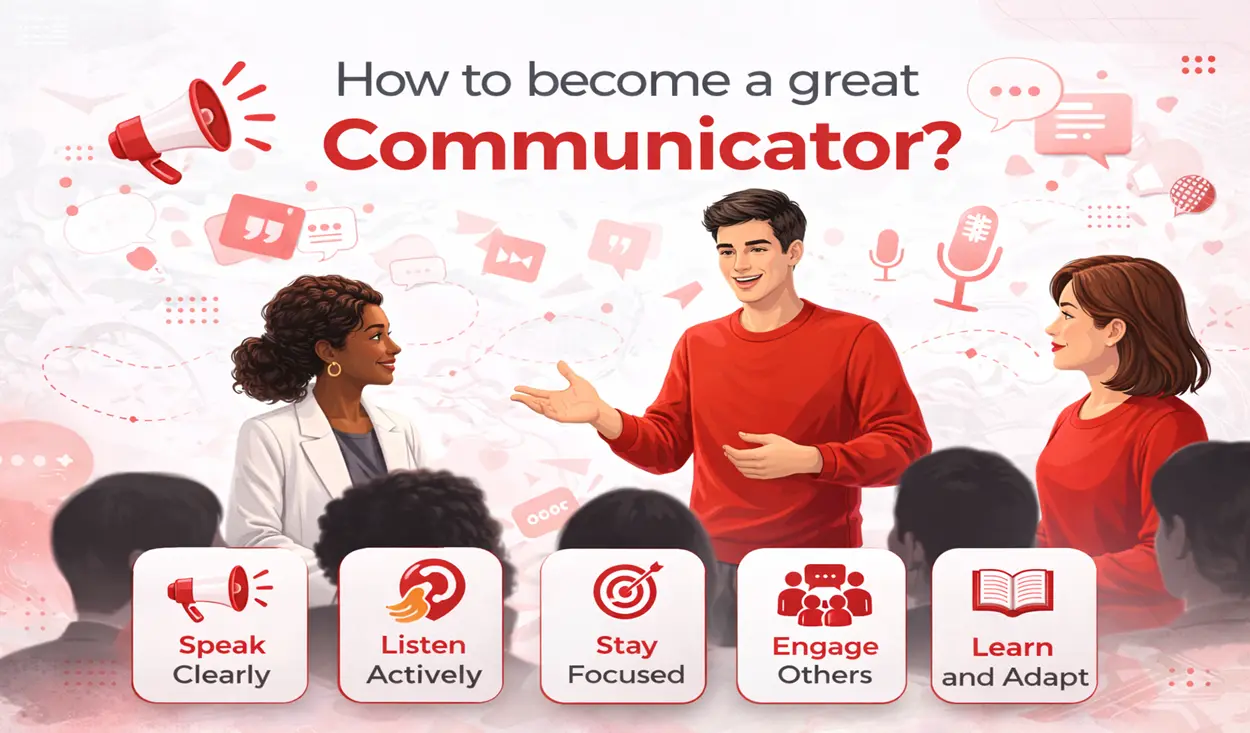
- Practice regularly- Consistency is key. Speak English every day, even if just for a few minutes. The more you use the language, the more fluent you'll become.
- Start with simple topics- Begin with familiar subjects like daily routine, hobbies, or family. Gradually move to more complex issues like current events or opinions.
- Speak slowly and clearly- Focus on pronunciation and clarity. Don’t rush; it’s better to speak slowly and correctly than fast and confused.
- Listen actively- good speaking starts with good listening. Watch English shows, listen to podcasts, or engage in conversations to improve understanding and response time.
- Use a mirror (Self-practice)- Practice speaking in front of a mirror to observe your facial expressions and body language. It builds confidence and self-awareness.
- Record and review yourself- Record your conversations or practice sessions, then listen to identify grammar, pronunciation, or sentence structure mistakes.
- Learn and use new words: a habit of learning 3–5 new words daily and try to use them in your conversations.
- Think in English- Try forming sentences in English in your mind throughout the day. This reduces the need to translate from your native language.
- Practice with a partner- Find a speaking partner – a friend, classmate, or online buddy. Honest conversations offer the best learning experience.
- Use conversation apps- Leverage tools like Duolingo, HelloTalk, or Cambly for structured speaking practice and feedback.
- Focus on grammar in context- Instead of memorizing rules, practice speaking with proper sentence structure in conversations.
- Ask and answer questions—Conversations are a two-way street. Practice both asking and answering questions to improve your interaction skills.
- Join speaking clubs or groups- Participate in school or online English clubs where you can talk, debate, and discuss in English regularly.
- Be patient and positive- Don't fear mistakes; they are part of learning. Stay motivated and celebrate minor improvements.
Helpful tools for practice-
- Apps: Duolingo, Hello English, Cake, BBC Learning English
- YouTube Channels: Speak English with Mr. Steve, Learn English Lab
- Online Platforms: ConversationExchange, Speaky, HelloTalk
Conclusion-
Conversation practice is one of the most potent methods for students to improve their spoken English. By discussing relevant and engaging topics, students develop fluency and vocabulary and gain the confidence to express themselves in different situations. Whether preparing for a class activity, exam, or daily communication, these topics will help you take your English-speaking skills to the next level.
FAQs on English conversation practice topics for students-
Q.1 What are English conversation practice topics?
Ans—They are everyday subjects’ students can talk about to improve their English-speaking skills, such as hobbies, school, or future goals.
Q.2 Why should students practice English conversation?
Ans- It builds fluency, boosts confidence, improves vocabulary, and prepares them for real-life communication.
Q.3 How can you choose the right topic to practice?
Ans- Start with simple, familiar topics and gradually move to more complex ones as your confidence grows.
Q.4 Can you practice speaking English alone?
Ans- Yes, by speaking in front of a mirror, recording yourself, or thinking in English.
Q.5 What are some good beginner-level topics?
Ans- "Myself," "My daily routine," "My school," and "My family" are great to start with.
Q.6 How often should you practice conversation?
Ans- Daily practice, even for 10–15 minutes, can lead to significant improvement.
Q.7 What tools can help with conversation practice?
Ans- Apps like Duolingo, Hello English, and YouTube channels with English dialogues are beneficial.
Q.8 Can you use role plays for practice?
Ans- Yes, role plays like teacher-student or shopkeeper-customer improve real-life speaking skills.
Q.9 Is it okay to make mistakes while speaking?
Ans- Absolutely. Mistakes are part of learning and help you improve over time.
Q.10 How can you overcome the fear of speaking English?
Ans- Practice regularly, start with easy topics, and speak with friends or partners in a supportive environment.






Leave a Comment
Your email address will not be published.