
Loading blog article…
Hi! Connect with us 👋
Let's talk about your study plans.

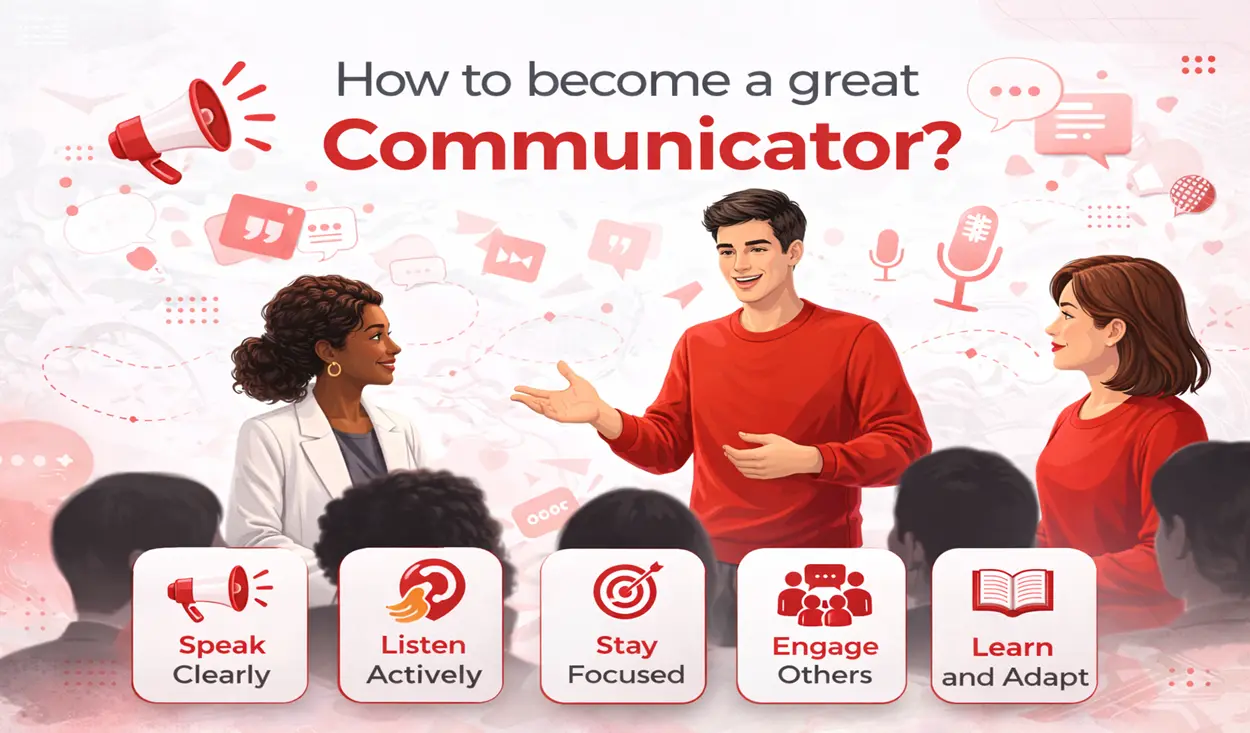
One of the most spoken languages in the world is English, and learning how to utilize it in daily contexts may be both difficult and beneficial for non-native speakers. Knowing how to communicate successfully in everyday situations is essential, whether you're traveling, residing in an English-speaking nation, or want to improve your language abilities. With helpful advice and examples, this blog examines how to use English in commonplace situations, such as ordering takeaway or supermarket shopping.
Understanding the fundamentals of courteous communication is crucial before delving into particular circumstances. "Hello," "Good morning," and "How are you?" are examples of greetings that establish a cordial atmosphere. Use courteous expressions like "please," "thank you," and "excuse me" whenever you are speaking with someone.
For example:
Being courteous makes a good impression in addition to assisting you in getting your point across.
For everyday tasks like grocery shopping, using language and good communication techniques can significantly increase productivity and clarity. The following outlines how to modify your communication methods and expressions for different tasks:
A little self-assurance and a useful vocabulary are necessary when grocery shopping. Here are a few helpful expressions:
There are certain words and phrases used when placing food orders. Be explicit about your preferences and start with courteous questions.
You may avoid wasting time and frustration by knowing how to ask for directions. Typical expressions are:
When shopping for apparel or accessories, you'll need to use the following phrases to express what you're looking for:
These expressions can be useful when scheduling a doctor's appointment or a table at a restaurant:
Effective communication skills are crucial when traveling by bus, train, or taxi.
Certain words are needed for discussions about health. Typical expressions are:
When learning a new language, it's normal to run into misunderstandings. To make things clearer, use these phrases:
Effective communication is greatly aided by patience and a readiness to seek clarification when necessary.
Practice is the key to being proficient in English in daily contexts. Begin with simple tasks, like placing a coffee order, and work your way up to more intricate discussions. Watch English-language videos, use language-learning applications, and interact with people in real life.
A useful ability that facilitates improved communication and cross-cultural understanding is the ability to use English in daily contexts. Gaining proficiency in basic words and consistent practice will enable you to confidently handle everyday tasks like ordering takeaway, asking for directions, and supermarket shopping. Keep in mind that learning a language is a journey; enjoy the process and don't be scared of making mistakes.
Ans: Listen to native speakers, practice speaking every day, and add more pertinent phrases to your vocabulary.
Ans: Define the word, use synonyms, or make gestures. For instance, mention "the thing we use to eat" rather than "fork."
Ans: Use language apps to practice conversations, record your voice, or read aloud.
Ans: Create flashcards, see English-language films, and make a list of commonly used terms.
Ans: Say, "I apologize, could you please repeat that?" or "Could you please repeat that?"
Ans: Communication, not perfection, is the key. Most people value the effort, and everyone makes mistakes.
Ans: Say, "Actually, I meant [correct information]" politely.
Ans: Get comfortable listening to videos or podcasts, and if necessary, urge presenters to slow down.
Ans: Read beginner-friendly literature, watch English courses on YouTube, and use language programs like Duolingo.
Ans: Make tiny, manageable goals, monitor your development, and acknowledge your accomplishments.
Author
Content Writer & International Education Specialist
Sakshi Taneja is a content writer specializing in international education, study abroad opportunities, university admissions, student visas, scholarships, and career guidance. She creates accurate, research-driven, and student-focused content to help aspiring international students make informed decisions about their global education journey.
No comments yet
Comments are temporarily closed.
Please provide your contact information
Free Counselling

9/21/2026
2/26/2026

11/3/2025

11/3/2025
10/27/2025
Want some help figuring out what kind of prep service is right for you?
Help and Support