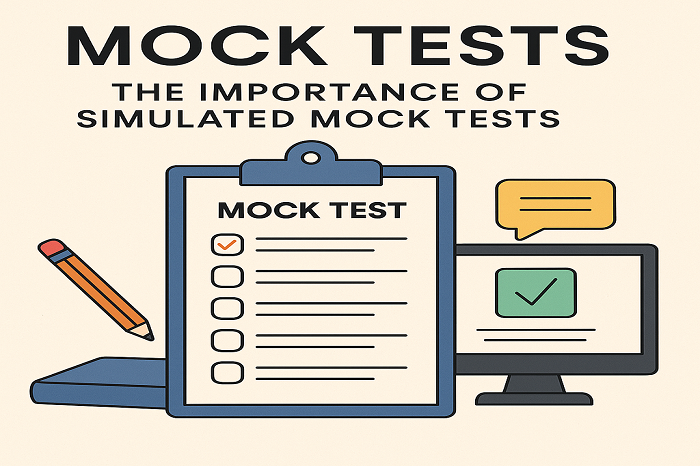
In the realm of academic and professional examinations, preparation is the key to success. While studying concepts and practicing problems are fundamental, one of the most effective ways to ensure readiness is through simulated mock tests. These practice exams replicate the actual test environment, providing candidates with valuable insights into their strengths and areas that need improvement. Whether preparing for standardized tests like the SAT, GMAT, TOEFL, or professional certifications, mock tests serve as a crucial tool for performance enhancement.
A simulated mock test is a practice exam designed to closely replicate the actual test in terms of format, structure, difficulty level, time constraints, and scoring. It helps test-takers experience real exam conditions, assess their performance, and improve their skills before the actual exam. Simulated mock tests are widely used for standardized exams like the SAT, GMAT, TOEFL, IELTS, and various professional certification tests.
A simulated mock test is a full-length practice exam designed to mirror the format, structure, and difficulty level of an actual test. These tests include-
One of the most common reasons students feel anxious during exams is the uncertainty about the format and structure of the test. Mock tests eliminate this uncertainty by providing first-hand experience of what to expect. This familiarity enables students to navigate different sections of the test confidently, reducing surprises on the actual exam day.
Many test-takers struggle with completing exams within the allotted time. Mock tests train candidates to manage their time efficiently. By taking multiple practice tests, students learn to allocate time appropriately to different sections, ensuring they can complete the entire test without rushing through the last few questions.
Mock tests provide a comprehensive assessment of a student's strengths and weaknesses. By analyzing their scores and reviewing incorrect answers, candidates can pinpoint areas that require more focus. This targeted approach to studying allows for efficient and effective preparation.
For numerous pupils, anxiety about tests is a major problem. The more accustomed they become to the testing process, the less nervous they feel. Taking simulated exams helps build confidence by familiarizing test-takers with the experience, allowing them to enter the actual exam with a calm and focused mindset.
Exams often require quick thinking and precision. Mock tests help students practice solving problems under exam conditions, improving their ability to think critically and answer questions accurately within a limited time frame. Over time, this practice enhances overall problem-solving speed and efficiency.
Different exams have unique strategies for maximizing scores. For example:
By practising with mock tests, students can refine these strategies to maximize their performance.
Mock tests reinforce learning by encouraging active recall. Instead of passively reading through notes, students engage with concepts in a practical setting, which enhances retention. The more they practice, the better they internalize information, making it easier to retrieve during the actual exam.
One of the biggest advantages of mock tests is the ability to track progress. By taking periodic mock exams, students can measure their improvement over time. This helps them gauge whether their preparation strategies are effective or need adjustments.
To maximize the benefits of mock tests, students should follow these best practices-
Simulated mock tests are an indispensable tool for exam preparation. They not only familiarize students with the test format but also enhance time management, boost confidence, and refine problem-solving skills. By incorporating mock tests into their study routines, students can significantly improve their chances of success on exam day. Whether preparing for academic, professional, or standardized exams, leveraging the power of mock tests can be a game-changer in achieving high scores and excelling under pressure.
Ans- A simulated mock test is a practice exam designed to replicate the format, structure, and difficulty level of an actual test, helping candidates prepare effectively.
Ans- Mock tests help familiarize students with the exam format, improve time management, identify weaknesses, reduce anxiety, and enhance problem-solving skills.
Ans-It depends on the exam, but ideally, students should take mock tests regularly, weekly or bi-weekly, while analyzing their mistakes and improving weak areas.
Ans-Yes, mock tests create a real exam-like experience, helping students become more comfortable with the test environment and reducing nervousness.
While not 100% accurate, mock tests provide a good estimate of performance by highlighting strengths and areas that need improvement.
Ans-By simulating real exam conditions, mock tests train students to allocate time effectively across different sections, ensuring they complete the test on time.
Ans- Yes, as long as they accurately reflect the real exam format and provide a realistic test-taking experience with proper timing and question structure.
Ans-Absolutely! Analyzing mistakes, understanding incorrect answers, and revising weak topics are essential steps for improving performance.
Ans-No, mock tests should complement study sessions by reinforcing learning and helping students apply concepts in an exam-like setting.
Ans-Official exam websites, reputable test prep companies, and educational platforms offer high-quality mock tests tailored to various exams.
Author
Content Writer & International Education Specialist
Sakshi Taneja is a content writer specializing in international education, study abroad opportunities, university admissions, student visas, scholarships, and career guidance. She creates accurate, research-driven, and student-focused content to help aspiring international students make informed decisions about their global education journey.
No comments yet
Be the first to share your thoughts!
Please provide your contact information
Free Counselling

9/21/2026
2/26/2026

11/3/2025

11/3/2025
10/27/2025
Want some help figuring out what kind of prep service is right for you?
Help and Support

Leave a Comment
Your email address will not be published.