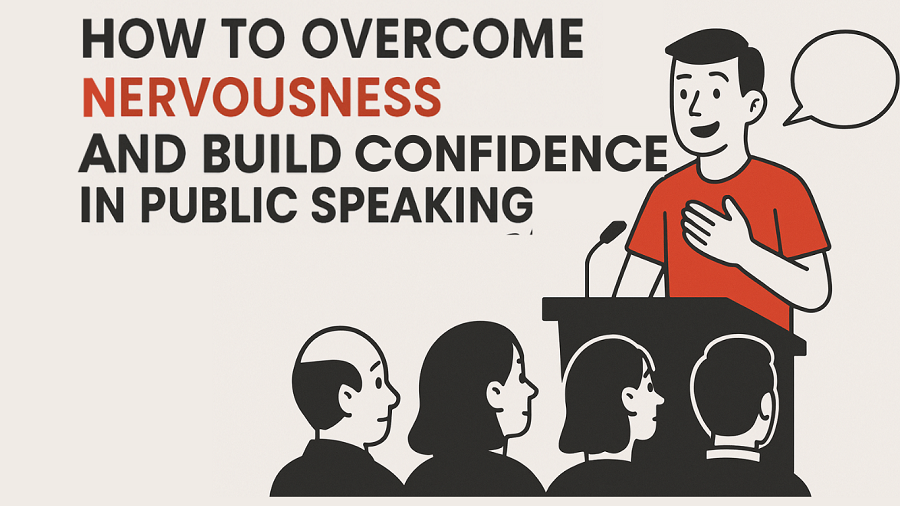
Speaking English confidently is a challenge for many learners, especially when nervousness takes over. Fear of making mistakes, anxiety about pronunciation, or self-doubt can hinder fluency. However, confidence in speaking English can be developed with consistent practice and the right mindset. This blog explores practical strategies to overcome nervousness and become a confident English speaker.
Before tackling nervousness, it is essential to understand its root causes:
The more you practice, the more comfortable you become. Here’s how:
If nervousness holds you back, begin with basic conversations:
Unclear pronunciation often causes nervousness. Enhance pronunciation by:
A strong vocabulary boosts confidence in conversations. To build vocabulary:
Translating from your native language to English can slow you down. Instead:
Many learners hesitate to speak because they fear errors. However:
Self-doubt can be reduced with positive reinforcement:
Listening to your own speech helps identify areas for improvement:
Simulating real-life conversations helps build confidence:
Engaging in public speaking boosts confidence significantly:
Speaking too fast can increase nervousness. Instead:
Enjoying the learning process reduces fear:
Overcoming nervousness in English speaking is a gradual process that requires consistent effort. By practicing daily, expanding vocabulary, embracing mistakes, and using the strategies mentioned, anyone can develop confidence in speaking English. Remember, confidence grows with experience, so keep speaking and improving.
Nervousness often comes from fear of making mistakes, lack of practice, or self-doubt. Overcoming this requires confidence-building strategies and regular speaking practice.
You can practice by talking to yourself, joining English-speaking groups, role-playing conversations, or using language exchange apps.
Train yourself to think in English by describing things around you, writing in English daily, and immersing yourself in English content.
Making mistakes is a natural part of learning. Focus on communication rather than perfection, and learn from errors instead of fearing them.
Listen to native speakers, use pronunciation apps, practice tongue twisters, and record yourself to analyze and improve your speech.
Learn a few new words daily, use them in sentences, read books, and listen to English podcasts to expand your vocabulary naturally.
Confidence helps you speak clearly and comfortably. The more you practice, the more confident you become in expressing yourself.
Start with small conversations, practice with friends, join public speaking groups like Toastmasters, and gradually take on bigger challenges.
Pause, take a deep breath, and rephrase your sentence. Using simple words and staying calm will help you continue the conversation smoothly.
Confidence grows with consistent practice. Depending on effort and exposure, improvements can be seen in weeks or months. Stay patient and persistent!
Author
Content Writer & International Education Specialist
Sakshi Taneja is a content writer specializing in international education, study abroad opportunities, university admissions, student visas, scholarships, and career guidance. She creates accurate, research-driven, and student-focused content to help aspiring international students make informed decisions about their global education journey.
No comments yet
Be the first to share your thoughts!
Please provide your contact information
Free Counselling

9/21/2026

2/26/2026

11/3/2025

11/3/2025

10/27/2025
Want some help figuring out what kind of prep service is right for you?
Help and Support

Leave a Comment
Your email address will not be published.