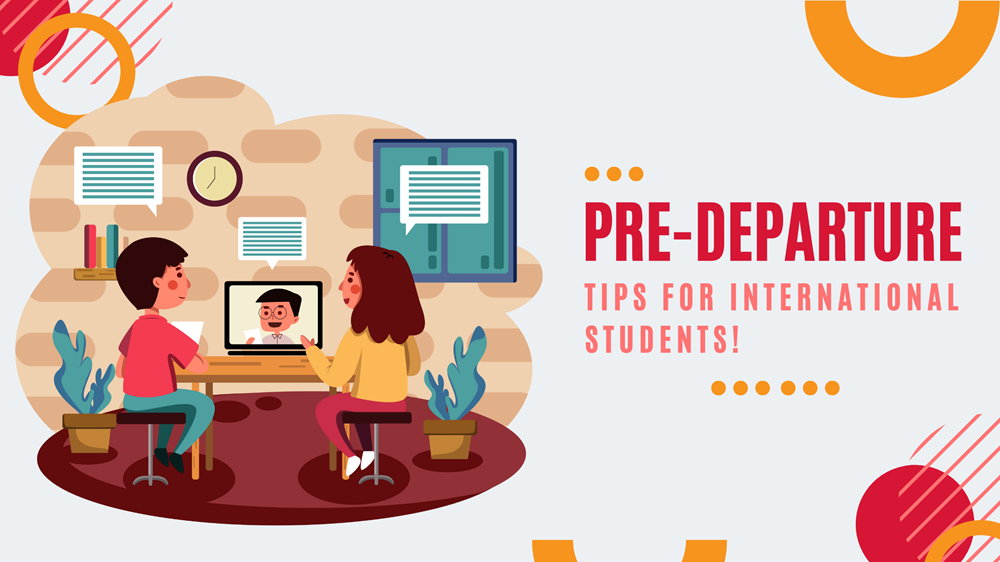
It is a significant decision to leave your native nation to continue higher education. Over 6.3 million students leave their country of origin to seek higher education abroad. Although choosing to study overseas is a beautiful opportunity, how should you begin the planning and preparation process? Understanding just what you must pack and leave behind before departing to study in a foreign country, however, can be challenging.
If you are stressed about what to pack and what to leave, you can get assistance from study abroad advisors. It will give you all the details about overseas education requirements. However, through this blog, we will guide you through a packing list for foreign learners and travel advice to help you know what to anticipate when you get to your study abroad location. It will help you get ready for the next phase of your study abroad experience.
Moving to a different nation to study for a few years is a challenging experience that undoubtedly calls for more preparation. Before starting an educational adventure overseas, one should think about the following pre departure checklist and pre departure guidelines:
The cost of living can fluctuate significantly between nations. However, the cost of living in highly populated urban areas is typically higher than that of less crowded places with Overseas university applications more miniature cities and townships. The following factors may affect the cost of living:
Study abroad consultants can help you estimate living expenses worldwide. By comparing these expenses with your anticipated spending limit, you can reduce the number of potential study destinations. The simplest method of organization is to divide your spending into necessities and non-essentials.

Applying for your passport well in advance is the most crucial way to avoid needless stress. However, without a travel visa or passport, your range of possible destinations is severely constrained.
To get the most out of your trip, it's crucial to spend a lot of time researching your location. Even while traveling on the branch of the moment could seem more enjoyable. However, it is much more sensible to learn some of the subtleties of your location by reading up on first-time international travel advice.
It is pretty natural to be a little unsure about how to pay and convert currencies in your new country during your first few weeks there. You may also be curious about how to manage cash withdrawals and daily expenses. You can be confident that study abroad consultants will give you the necessary and understandable information to assist you in comprehending these crucial details.
It would help if you informed your financial institution that you are traveling before you leave for your distant location. This way, when your card is suddenly used in a Thai market, your bank will not believe it is a forgery.
The ease of access to ATMs may vary depending on where you are going. Moreover, the majority of eateries and companies in some nations that rely heavily on cash may not even have card readers. If so, make sure you have enough money on hand to pay for your outing's expenses. Even more significant amounts of cash are kept safe by some travelers in money belts.
It's crucial to know the weather conditions where you plan to study. It would help if you did some study on the area and city where you plan to live. Study abroad Consultants will give you details on the changing seasons in your desired new nation along with helpful advice on how to deal with them. You do not need to worry if you have not dealt with temperature reductions in the autumn and winter before. It will provide you with practical advice on how to adjust and prosper in these circumstances. This enables you to pack the appropriate apparel, accessories, and shoes. Additionally, keep in mind that you will likely be walking a lot, so bring comfortable shoes.
Buses and underground systems are typically the most economical and environmentally responsible forms of transportation. They also provide you the opportunity to see the sites and interact with locals. Otherwise, if you want to obtain door-to-door service with licensed and screened drivers at reasonable rates, you can always download a ridesharing app like Uber, Cabify, Grab, or Bolt.
Although hotels are usually a fantastic choice, you can meet other travelers at more affordable and immersive accommodations like hostels, guesthouses, and Airbnb. However, if you decide to stay in a hostel, boutique hostels frequently provide better amenities than low-cost hotels.
A study abroad advisor can provide you with some insightful advice based on their experience if you find yourself yearning for Indonesian food or other Asian flavors like Chinese, Japanese, Indian, or Korean cuisine while you're in a Western nation. Because it recognizes the value of indulging in familiar flavors while traveling, its consultants are always available to assist you in finding them.
A lot of overseas education institutions ask about medical insurance while you are accepted. So, think about finding the best plan for you beforehand. According to where you intend to study, medical coverage rules and rates can change. Additionally, certain universities may provide their plans to students.
No matter where you are going to school, you can obtain student medical coverage at any point before or after you arrive. You can evaluate several student medical coverage choices online. Moreover, the day following purchase is when your coverage may begin, subject to the insurance. To ensure that you are receiving an authorized type of insurance, check the specifications of the institution you attend before acquiring a medical insurance policy.
Keep in contact with your loved ones and let them know about your travel plans. Additionally, please make a backup of your most crucial documents and keep them on the cloud or online.
Among their most significant benefits are the opportunities for part-time employment and the rights to work that various nations grant international students. To make the most of these alternatives, get to know them well.
The institution's admissions office or international student office can be a huge help when you are moving from your home country to your university. However, you can make friends with other new students and get used to life abroad by participating in orientation at the start of your program. Your new colleagues, academic advisers, or counselors will provide further help. Participating in the social side of campus life is another excellent method to create a new support system and learn how to survive as a student overseas.
Learning the rules of your city is crucial if you are an international student. Remember that breaking the law in any way might impact your status as an international student, so being informed beforehand can help you avoid issues later.
Navigating the vast array of SIM cards and mobile packages that are currently available can be daunting, particularly for those who have recently migrated overseas. We may offer helpful suggestions for reliable cell providers in your destination during the pre-departure support session to ensure you stay connected without any problems. When thinking about connectedness, you should think about:
Remember that you are not alone, even if you are far from home. We are well-equipped to guarantee a seamless and enjoyable arrival in your chosen city because we have vast expertise in helping many international students in the same nation. We are here to support you at every stage of your journey because we value it.
To get ready for your next steps in Canada, Australia, the US, the UK, or Ireland, you should also include the following goods on your packing list for international students. These are things you can bring on the plane:
Guard your belongings against petty theft and thieves—The best approach to keeping your phones and wallets safe and discouraging pickpockets is to carry a shoulder purse or sling bag. Never carry valuables in the outside pouch of your purse or your back pocket. Wallets that are resistant to theft and money belts that you can wear underneath your clothing are other excellent choices if you're extremely worried.
Keep in touch—Before you depart, give your loved ones access to your itinerary so they can follow your travels. Provide contact details and addresses for any accommodations. If you are a citizen of the United States, you can enroll in the Smart Traveler Enrolment Program (STEP), run by the US State Department. In the event of a natural disaster, political upheaval, or other emergency, the local Embassy will know to contact you.
Think about getting travel insurance. Travel insurance should be a top priority on your checklist of requirements when going abroad. If anything, unfortunate happens, travel coverage can save you plenty of funds on everything from immediate evacuations to compensation for misplaced luggage.
Use common sense- Find out from locals and the staff at your lodging whether there are any spots you should avoid. Always attempt to travel at night with a friend, and if you must go out, avoid excessive drinking, mainly if you are by yourself or without someone you can trust. When using apps to find new people for dates or friendships, make sure to meet up in public.
Speak with study abroad advisors-
Gateway Abroad Jaipur has extensive expertise in assisting international students with adjusting to living overseas, including answering inquiries, offering guidance, and offering best practices for international students.
Moreover, these study abroad advisors are also prepared to help you during your time overseas. Gateway Abroad Jaipur can help with anything from visa assistance to academic support, campus transition programs, and more. They can help you find the ideal school, submit your application, do well in school, and get ready for an incredible future.
Author
Content Writer & International Education Specialist
Sakshi Taneja is a content writer specializing in international education, study abroad opportunities, university admissions, student visas, scholarships, and career guidance. She creates accurate, research-driven, and student-focused content to help aspiring international students make informed decisions about their global education journey.
No comments yet
Be the first to share your thoughts!
Please provide your contact information
Free Counselling

9/21/2026

2/26/2026

11/3/2025
11/3/2025
10/27/2025
Want some help figuring out what kind of prep service is right for you?
Help and Support

Leave a Comment
Your email address will not be published.