

For many international students, the January or Winter intake offers a golden opportunity to begin their studies without waiting for the traditional September intake. This mid-academic year intake is particularly popular in countries like Australia, New Zealand, and several European nations that follow unique academic calendars. With increasing demand and growing options for courses, preparing for the January intake can provide flexibility and a strategic advantage for global learners.
In this comprehensive guide, we will delve into the January/Winter intake cycles of Australia and New Zealand, select European countries, understand their academic patterns, explore the admission timelines, and offer essential tips to help you prepare efficiently.
Why should students consider the January/Winter Intake?
Students should consider the January/Winter Intake for several compelling reasons, especially when planning to study in destinations like Australia, New Zealand, and European nations with flexible academic calendars. Here's a detailed breakdown of why this intake is a smart choice-
- More flexibility in planning- Many students need additional time after high school or undergraduate studies to prepare for standardized tests, improve language proficiency, or finalize finances. The January intake provides this breathing space, allowing for better-prepared applications.
- Less competition for admission- The September/Fall intake is the most popular and thus the most competitive. January intake usually sees fewer applicants, increasing your chances of getting admitted to top programs and even securing on-campus housing or scholarships.
- Access to popular programs- Contrary to the myth that only a few courses are available, many universities in Australia, New Zealand, Ireland, Germany, and France offer a wide selection of undergraduate and postgraduate programs during the January intake, especially in business, IT, healthcare, and engineering.
- Smaller class sizes- With fewer students enrolling, you can benefit from more personalized attention from faculty, better engagement in classroom activities, and improved academic support.
- Alternative entry point into the academic year- If you missed the September intake due to visa delays, academic setbacks, or personal reasons, the January intake gives you a second chance without waiting an entire year.
- Aligns with Southern Hemisphere academic calendars- In countries like Australia and New Zealand, the academic year typically starts in February, making January intake the main entry point for international students. This aligns better for those targeting universities in the Southern Hemisphere.
- Improved job market timing- Graduating at a different time (mid-year rather than year-end) can give you an edge in job markets where hiring cycles peak at different periods. You may also avoid the job rush of fall graduates.
- Time to build profile or take a gap semester- Students can use the extra time to take up internships, enroll in short courses or certifications, volunteer, improve language, or academic skills. This helps build a stronger, more diverse application profile.
- Early access to scholarship funds- Some universities roll over unclaimed scholarships from the Fall intake to the January session. If you're early in your application, you may get access to funding opportunities.
- Smoother visa and travel process- With fewer students applying, visa offices are less crowded, flights are cheaper, and on-campus housing is easier to secure, making your transition smoother.
Which are the popular destinations for January/Winter Intake?
Australia: January Intake (Semester 1)
Academic Calendar
In Australia, the academic year typically starts in late February or early March (Semester 1) and ends in November. However, many universities also offer a January/February intake for some programs.
Popular Universities Offering January Intake
- University of Melbourne
- University of Sydney
- Monash University
- Australian National University (ANU)
- University of Queensland (UQ)
Programs Available
- Business and Management
- Engineering
- Computer Science
- Health Sciences
- Social Sciences
Admission Timeline for January Intake-
|
Activity |
Timeline |
|
Research and shortlist programs |
February – April (previous year) |
|
Prepare and take English proficiency tests (IELTS, TOEFL, PTE) |
April – June |
|
Apply to universities |
June – August |
|
Receive offer letters |
August – October |
|
Accept offers and apply for student visa |
September – November |
|
Travel and begin orientation |
December – January |
Visa Process
- Apply for Subclass 500 Student Visa
- Submit Confirmation of Enrollment (CoE)
- Show financial proof, health insurance (OSHC), and English proficiency
Tips for Australia admission-
- Start early, as some courses are only offered once a year.
- Arrange Overseas Student Health Cover (OSHC) early.
- Apply for accommodation 2–3 months in advance.
- Explore post-study work rights under the Temporary Graduate Visa (Subclass 485).
New Zealand: Trimester/January Intake
Academic Calendar
New Zealand universities typically have three intakes:
- February (Trimester 1)
- July (Trimester 2)
- November (limited programs)
The February intake is the primary and most comprehensive intake, aligning closely with Australia’s system.
Top Universities Offering January/February Intake
- University of Auckland
- University of Otago
- University of Canterbury
- Victoria University of Wellington
- Massey University
Programs Available
- Engineering
- Medicine and Nursing
- Environmental Sciences
- Business
- Tourism and Hospitality
Admission Timeline-
|
Activity |
Timeline |
|
Course selection and preparation |
March – May (previous year) |
|
English test & documentation |
May – July |
|
University application |
July – September |
|
Offers received |
September – October |
|
Visa application |
October – December |
|
Orientation and arrival |
January – February |
Visa Requirements
- Apply for a Fee-Paying Student Visa
- Provide an Offer of Place
- Submit medical and police certificates
- Show financial support and travel arrangements
Advice for New Zealand admission-
- The February intake has the widest course options—plan well in advance.
- Apply for accommodation early, especially in cities like Auckland and Wellington.
- Keep buffer time for visa processing, as it can take up to 8 weeks.
- Explore working rights: up to 20 hours/week during semesters.
Europe: Diverse Winter Intake Opportunities
Overview of European Academic Calendars
Unlike Australia and New Zealand, Europe features diverse academic calendars due to country-level education systems. While the September intake is dominant, many institutions offer a January/February (Winter) intake.
Countries with Popular January/Winter Intakes
- Germany
- France
- Netherlands
- Sweden
- Finland
- Ireland
Let’s explore them one by one.
Germany
Winter Intake
- Starts in October
- Summer intake starts in April
Some Master’s programs, especially in English, also start in March/April, creating an opportunity similar to the January intake.
Top Universities
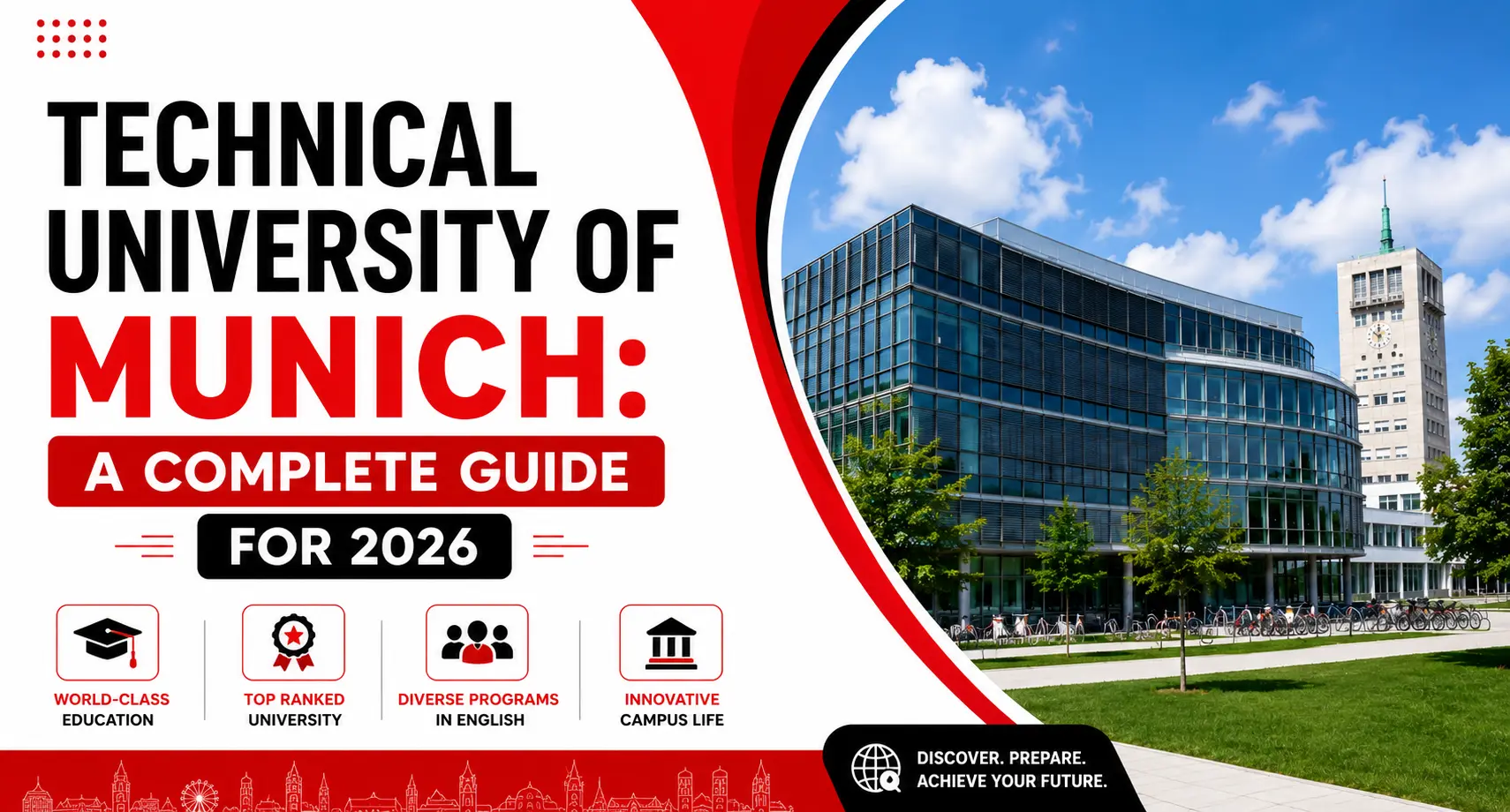
- Technical University of Munich (TUM)
- LMU Munich
- University of Stuttgart
- RWTH Aachen
- University of Mannheim
Admission Tips
- Use the DAAD portal for course search.
- Check if your course aligns with the uni-assist application platform.
- Apply for APS certification if you're from India or certain other countries.
- Prepare for blocked accounts and insurance requirements.
France
Winter Intake
- Second intake begins in January/February
- Focused mainly on private universities and Grandes Écoles
Top Institutions
- SKEMA Business School
- ESCP Business School
- HEC Paris (for certain executive programs)
- Université Paris-Saclay
Admission Tips
- Use Campus France to manage your application.
- Prepare for TCF/DELF if your program is in French.
- Ensure early housing application for Crous (student residences).
Netherlands
Winter Intake
- Available in select universities for Master’s programs
- Starts in February
Popular Institutions
- University of Amsterdam
- Utrecht University
- Erasmus University Rotterdam
- TU Delft
Admission Tips
- The application deadline is typically October–November
- Dutch universities are research-heavy—prepare a solid SOP and academic background
- GRE/GMAT might be required for business-related programs
Sweden and Finland
Winter Intake
- Winter intake in January for limited programs
- Mostly Master’s degrees in technology, IT, and business
Top Universities
- Lund University (Sweden)
- KTH Royal Institute of Technology (Sweden)
- Aalto University (Finland)
- University of Helsinki (Finland)
Application Process
- Centralized through Universityadmissions.se (Sweden)
- Studyinfo.fi for Finland
- Apply by mid-August to mid-October for January intake
Additional Requirements
- Motivation letter
- Portfolio (for design/arts)
- Proof of English (IELTS/TOEFL)
Ireland
Winter Intake
- January intake is common in private colleges and some public universities
- Widely available for IT, Data Analytics, Business, and Engineering
Top Institutions
- University College Dublin
- Trinity College Dublin
- Dublin City University
- Griffith College
- National College of Ireland
Visa and Application Tips
- Apply by September – October
- Irish Study Visa (D-type) requires proof of funds, fee payment, and insurance
- Leverage the stay-back visa for 1–2 years post-study
How to prepare for January/Winter Intake?
1. Research Programs and Universities
Start with understanding:
- If your desired program is available in January
- Entry requirements, tuition fees, and language requirements
2. Take Standardized Tests
Prepare and take:
- IELTS, TOEFL, PTE (as required)
- GRE/GMAT (for graduate programs)
3. Prepare Application Documents
Essential documents:
- Academic transcripts and certificates
- SOP (Statement of Purpose)
- LORs (Letters of Recommendation)
- CV/Resume
- Passport
4. Apply Before Deadlines
- Check individual university deadlines (usually August–October)
- Apply early to increase scholarship chances
5. Apply for Scholarships
Search for:
- Government scholarships (like Australia Awards, Erasmus+)
- University-specific merit-based awards
- External funding (DAAD, Eiffel, NFP, etc.)
6. Arrange Finances and Student Loans
- Create a budget for tuition, living expenses, and insurance
- Apply for education loans if necessary
- Maintain proof of financial resources for a visa
7. Student Visa Application
Country-specific visas:
- Australia: Subclass 500
- New Zealand: Fee-Paying Visa
- Europe: Varies by country, usually national student visas
8. Accommodation and Travel Plans
- Book on-campus or nearby housing
- Prepare travel itinerary
- Arrive at least 1–2 weeks early for orientation
9. Pre-departure Checklist
- Carry certified copies of documents
- Take vaccinations if needed
- Buy international travel insurance
- Join social media groups of your university’s January intake
What are the Pros and Cons of January/Winter Intake?
Pros of January/Winter Intake
- More time to prepare- Extra months after graduation to prepare for exams like IELTS, TOEFL, GRE, or GMAT. It reduces stress and helps improve application quality.
- Less competition- Fewer applicants mean higher chances of admission to competitive programs. It becomes helpful for students with borderline scores or profiles.
- Faster visa processing- Fewer applicants in visa offices often means quicker processing times. It reduces delays and uncertainty.
- Better faculty attention- smaller class sizes lead to personalised support and stronger student-teacher interaction. Enhances learning and networking opportunities.
- Smoother transition- Off-peak travel and housing demand lead to cheaper flights, easier accommodation, and fewer crowds. Makes your relocation and settling process easier.
- Strategic academic entry in the Southern Hemisphere- In Australia and New Zealand, January/February is the main intake. Students align with the full academic cycle.
- Opportunity for profile building- Students can use the extra months to pursue internships, certifications, or volunteer work. Makes your application stand out
- Improved job market timing- Graduating mid-year can be advantageous in less crowded job markets. Avoids peak competition from Fall graduates.
Cons of January/Winter Intake
- Fewer course options- Not all programs are available in the January intake. Students may have to compromise on course preferences.
- Limited University openings- Fewer universities open admissions for this intake compared to the Fall. Reduces options for institution selection.
- Tighter deadlines- If you delay preparation, you will face compressed timelines for applications, scholarships, and visas. Requires strict planning and time management.
- Possible scholarship constraints- Fewer scholarships may be available for this intake, as many are tied to the September cycle. May increase the financial burden.
- Off-cycle graduation- Graduating mid-year could make it harder to sync with major corporate hiring timelines. Some companies have structured recruitment only in certain months.
- Weather challenges in some regions- In parts of Europe and North America, January means harsh winter weather. It can make travel and the early weeks of living abroad a bit difficult.
- Smaller peer groups- Fewer students might mean limited networking and social events. It may affect the overall university experience.
- Delayed campus activities- Some clubs, orientations, or projects may start in the Fall and not repeat for Winter. This may reduce the chances of joining extra-curriculars early on.
Conclusion-
The January or Winter intake offers immense potential for international students who are prepared and proactive. Whether you’re aiming for the sunny campuses of Australia and New Zealand or the rich cultural and academic heritage of European universities, this intake provides a unique opportunity to fast-track your academic and professional goals.
Careful planning, early applications, and a clear understanding of country-specific requirements can make your January intake journey smooth and successful. With the right preparation, the Winter intake could very well be the warm start to your global education dream.
FAQs on preparing for January/Winter intake in popular destinations-
Q.1 What is the January/Winter intake?
Ans- The January or Winter intake is a secondary academic session offered by many universities, starting between January and March. Rather than waiting for admission in September/Fall, it enables students to start their studies in the summer.
Q.2 Which nations accept overseas students for the January intake?
Ans- Popular study destinations like Australia, New Zealand, and European countries such as Germany, France, Ireland, and the Netherlands offer a January/Winter intake at selected universities.
Q.3 What distinguishes the September intake from the January intake?
Ans- While the September intake is the primary one with the widest course options and seats, the January intake often has fewer programs. Still, it offers smaller class sizes, faster processing, and flexible entry points into the academic year.
Q.4 When is the best time to begin getting ready for the January intake?
Ans- Ideally, you should begin your application process by May or June of the previous year. This gives you enough time to prepare documents, take language tests, apply for visas, and arrange travel and accommodation.
Q.5 What are the advantages of applying for the January intake?
Ans-
- Less competition for admission.
- Faster admission decisions.
- More teacher attention because of smaller batches.
- More time for preparation following graduation from high school or during a gap year.
Q.6 Are scholarships available for the January intake?
Ans- Yes, many universities offer scholarships and funding for January intake students. However, due to scarce opportunities, prompt submission of applications and an excellent school record are crucial.
Q.7 Which Australian universities have a January intake?
Ans- Top universities like the University of Melbourne, Monash University, University of Sydney, and UNSW offer programs for the January/February intake, particularly in business, IT, engineering, and health sciences.
Q.8 Are New Zealand institutions accepting applications for the January intake?
Ans- Yes. New Zealand universities like the University of Auckland, the University of Otago, and Victoria University of Wellington offer a February intake, which corresponds with the January intake in Northern Hemisphere countries.
Q.9 Do European universities offer Winter intakes?
Ans- Yes, many universities in Germany, France, Ireland, and the Netherlands offer Winter/Spring intakes, especially for postgraduate programs. You should check individual university calendars, as academic cycles can vary.
Q.10 What documents are needed for January intake applications?
Ans- Commonly required documents include:
- Academic transcripts and certificates
- English language proficiency test scores (IELTS/TOEFL/PTE)
- Statement of Purpose (SOP)
- Letters of Recommendation (LORs)
- Passport
- CV/Resume (for PG applicants)
- Proof of funds for visa and tuition





Leave a Comment
Your email address will not be published.